The Shopify Black Friday Teardown: Read 3 Winners Before You Discount
 By Assaf ShalinOctober 15, 2026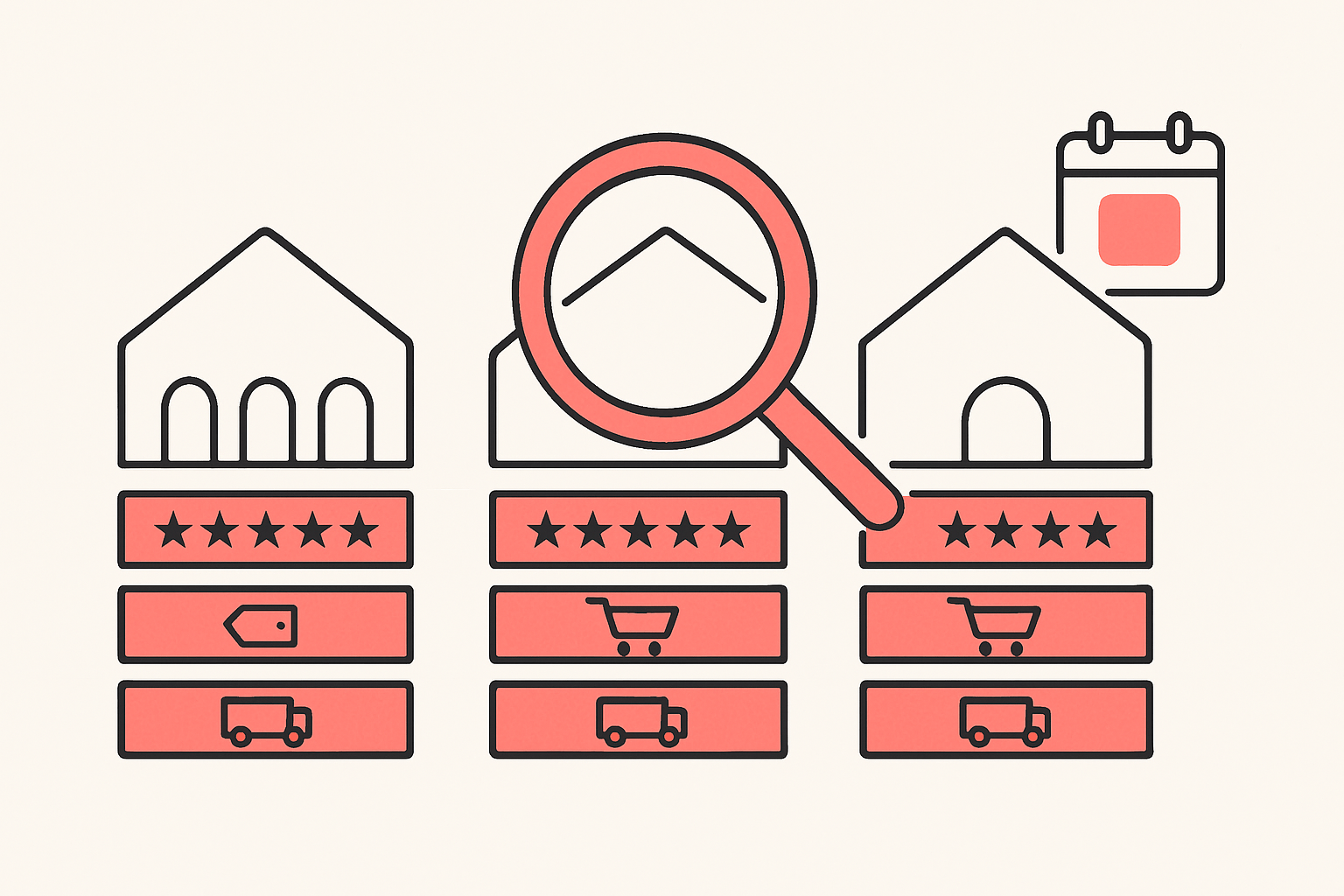
Black Friday 2026 falls on 27 November, and the weekend behind it is the one stretch of the year when traffic turns up on its own. Shopify merchants turned that weekend into a record $14.6 billion in sales in 2025, up 27% on the year before, from more than 81 million shoppers, at an average cart of $114.70 and a peak of $5.1 million a minute at 12:01 PM EST on Black Friday.
How much of that reaches you comes down to the percentage of visitors who buy. Traffic is the cheap part in late November. Conversion is the expensive part, and it gets decided weeks earlier by things a store either has in place or does not.
A first-year seller asked r/shopify exactly the right question and got the wrong kind of answer: "How are you preparing your store for Black Friday / Cyber Monday?", running a small pet accessory store on Meta ads and a modest email list. What came back was the usual checklist. The better answer is already built and live on three storefronts in that seller's niche.
The teardown in one paragraph
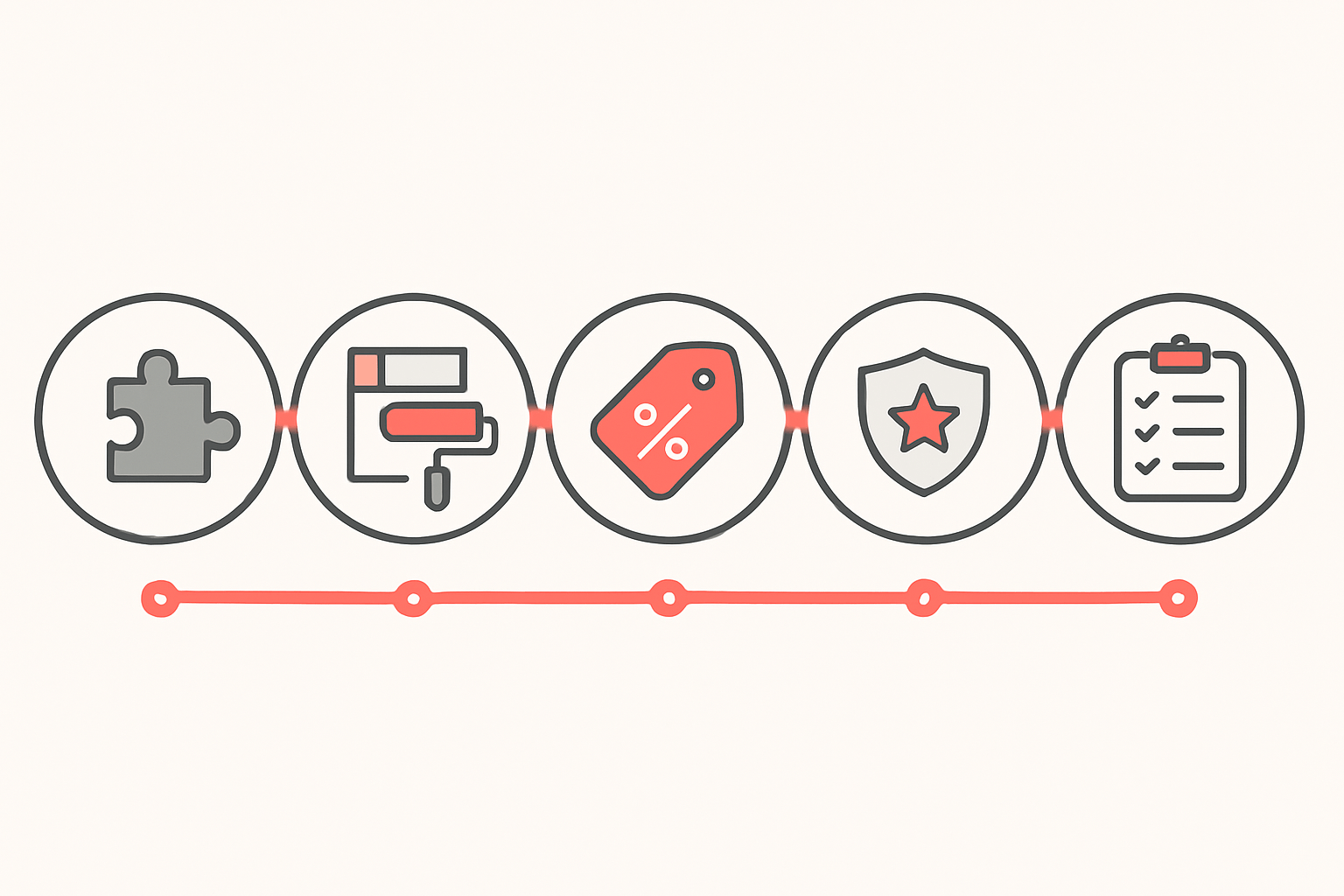
Pick three stores selling to your customer, at your price point, in your country. Read five layers on each one in a fixed order: the apps they run, the theme and what the homepage leads with, the offer mechanics, the trust and delivery promises, and the gap between their setup and yours. Then close the gaps you can close in the time you have left. Copying a structure that is already converting beats inventing one in the third week of November.
Three stores is the right number. One is an anecdote, ten is a weekend you do not have, and three is enough for a pattern to show up twice.
Before you judge anyone, learn what normal looks like
A competitor's app list means nothing until you know what a typical store runs. Here is the baseline from Koala's own data, counted across the Shopify stores Koala tracks and read on 14 October 2026.
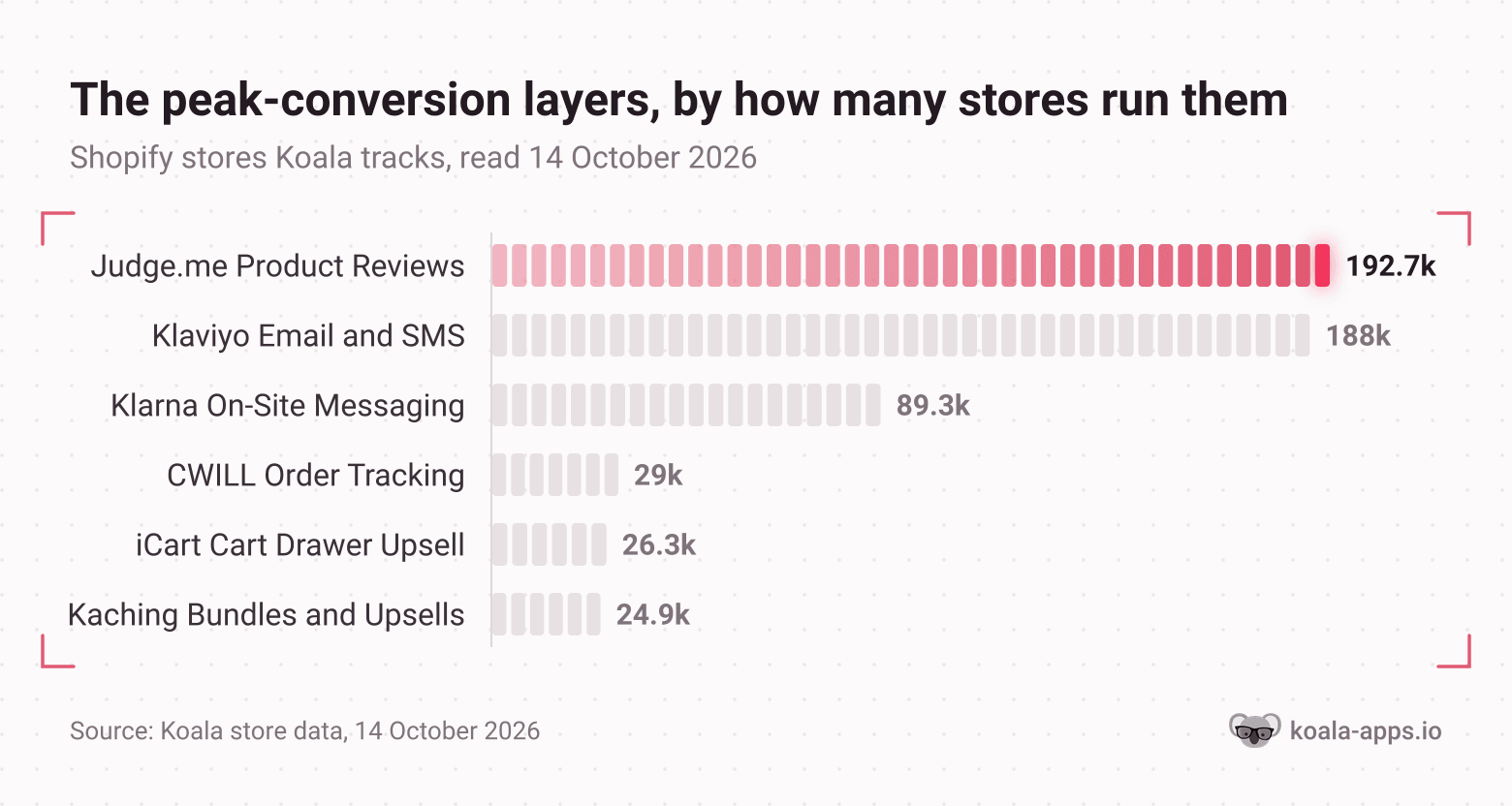
Four layers show up again and again, in this order of commonness:
- Proof is near universal. Judge.me Product Reviews runs on 192,654 of the stores Koala tracks, with Klaviyo for email and SMS close behind on 188,044. A store without review stars on its product cards is the outlier.
- Affordability messaging is next. Klarna On-Site Messaging, which puts pay-later wording on product and cart pages, sits on 89,307 stores.
- Delivery certainty clusters around order tracking. CWILL Order Tracking is on 29,001, 17TRACK on 27,300, Track123 on 15,276.
- Cart and upsell apps are the smallest layer and the most deliberate. iCart Cart Drawer is on 26,255, Kaching Bundles on 24,873, Bundler on 20,637, and Frequently Bought Together CBB on 12,936.
Read that top to bottom and it is a ladder. Reviews and email are table stakes. Pay-later messaging is a majority habit. Cart economics and delivery promises are where stores separate, which makes them the layers worth studying hardest on a competitor who is beating you.
Step 1: read the stack, and read it as jobs
Open each of your three stores and list every app it runs. Koala Inspector's Shopify app detector does this free: it names every app installed on the store and groups them by type, with no token cost and no limit on how many stores you check. The free plan needs no credit card.
The output you want from this step is a list of jobs. For every app you find, write down the sentence "this is here to ___ at peak". An app you cannot finish that sentence for is an app you should not copy.
Four jobs cover almost everything you will find:
- Make the product believable (reviews, photo galleries, user content).
- Make the price feel affordable (pay-later messaging, bundles, tiered discounts).
- Raise the order value (cart drawers, cross-sells, free-shipping thresholds).
- Make delivery feel certain (tracking pages, shipping bars, delivery estimates).
Take a worked example. Tipsy Elves sells holiday-season apparel, which makes its November the whole business. Koala's data puts it on 31 installed apps, far more than the typical store in the baseline, and that is the first thing a teardown tells you: a store whose peak is Q4 spends on peak conversion all year round.
Count the jobs on your three stores and compare them to your own. Treat the comparison as a hunt for a job nobody in your store is doing rather than a race to install the most apps, because an app only earns its place at peak when you can name what it does.
Step 2: read the theme, then read what it is doing to the offer
Name the theme next. Koala Inspector's theme detector identifies the active theme, including paid and custom ones, free of charge. Here is what you will usually find.
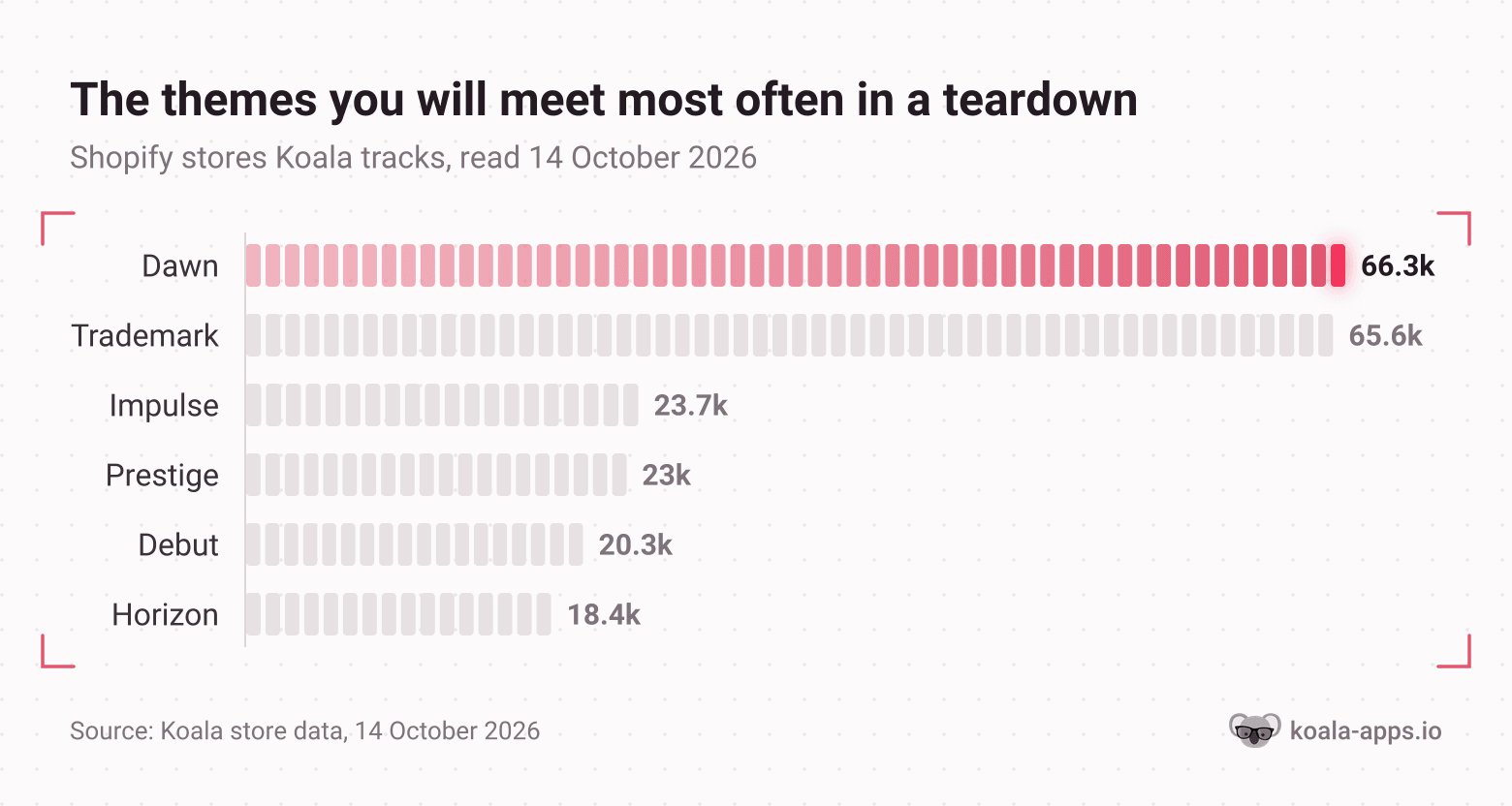
Dawn runs on 66,319 of the stores Koala tracks and Trademark on 65,577, with Impulse (23,659), Prestige (22,954), Debut (20,323) and Horizon (18,397) behind them. The practical read: a competitor on Dawn is working with the same sections you have, so anything they are doing that you are not is a setting or an app rather than a budget.
The theme is the setup. The question is what the homepage leads with. Load the store cold, look at the first screen only, and answer one thing: does it lead with the offer or with the brand?
On 15 October 2026, six weeks out from Black Friday, Tipsy Elves led with the offer. An announcement bar carried a named sale, "Monster Markdowns Sale: Costumes up to 43% Off". Below it sat four category tiles pointed at the seasons it sells into, a text-signup offer worth 30% back, and a five-star row reading 4.9 alongside a claim of over 3 million happy customers. Offer first, proof in the same screen, brand story nowhere above the fold.
That is the structure to copy, and it costs nothing: a bar with a real number, categories a shopper can click straight into, and social proof visible before any scrolling.
Step 3: read the offer mechanics
Discount shape matters more than discount depth. Four shapes cover nearly every Black Friday offer you will see:
- Sitewide percentage. Simple, legible, and the one shoppers wait for. A seller who hit their first $10,000 day described their Black Friday sale as "simple, 25% off everything", adding that they only run sales like that once a year, so customers take advantage. Scarcity of the sale is doing as much work as the number.
- Threshold. Free shipping or a discount unlocked at a cart value. Hextom's Free Shipping Bar is on 14,000 of the stores Koala tracks, which tells you how routine the mechanic has become.
- Bundle. Buy two, save more. The bundle apps above are the tell.
- Gift with purchase. The margin-friendly option when you cannot cut price.
Record which shape each of your three stores picked, then read what the product page actually says about it, because that is the screen the decision happens on: where the discounted price appears, whether the original price is shown beside it, whether the saving is stated in money or in percent, and whether the end of the sale is stated at all.
Countdown apps are common at this layer too (Essential Countdown Timer Bar is on 12,322 stores), and the honest version of that mechanic is a real end date rather than a timer that resets. Shoppers who have seen a resetting timer once stop believing the next one.
Step 4: read the trust and delivery promises, because this is where peak conversion lives
More shoppers leave over the delivery terms than over the product. Baymard Institute, averaging 50 studies of cart abandonment, puts the documented average abandonment rate at 70.22%, and among shoppers who abandoned for a reason other than browsing, 40% cited extra costs being too high (shipping, tax, fees) and 20% said delivery was too slow. Those two lines are 60% of the leak, and both are fixable with copy.
So on each competitor, write down five things:
- Where the shipping cost first appears. On the product page, in the cart, or at the checkout email step. Earlier is better, and the stores that win here say it before the cart.
- Whether a delivery date is given, and whether it is a date or a vague range.
- The order-by date for Christmas delivery, if there is one yet.
- The returns window, and whether it is extended for gifts.
- Where reviews appear, and whether the star rating is on the collection cards or only on the product page.
Reviews are the cheapest of those to close. Judge.me's Shopify App Store listing shows a 5.0 rating from 48,550 reviews and a free plan, and it already runs on 192,654 of the stores Koala tracks. If your three competitors all show stars on their collection pages and you do not, that is a gap you can close in an evening.
What sellers say about Koala Inspector
Verified reviews from the Chrome Web Store.
“great app for ecommerce, there are a lot of useful information. Friendly customer service!”
 Lavender Yuzu
“Excellent tool for Shopify research! simple, accurate, and packed with insights. Highly recommend it.”
 Data Analysis
“The service has been great, very responsive and the most comprehensive spying of global markets Ive seen!”
 Adrienne Greenwood
Step 5: build the gap list, sorted by how long each fix takes
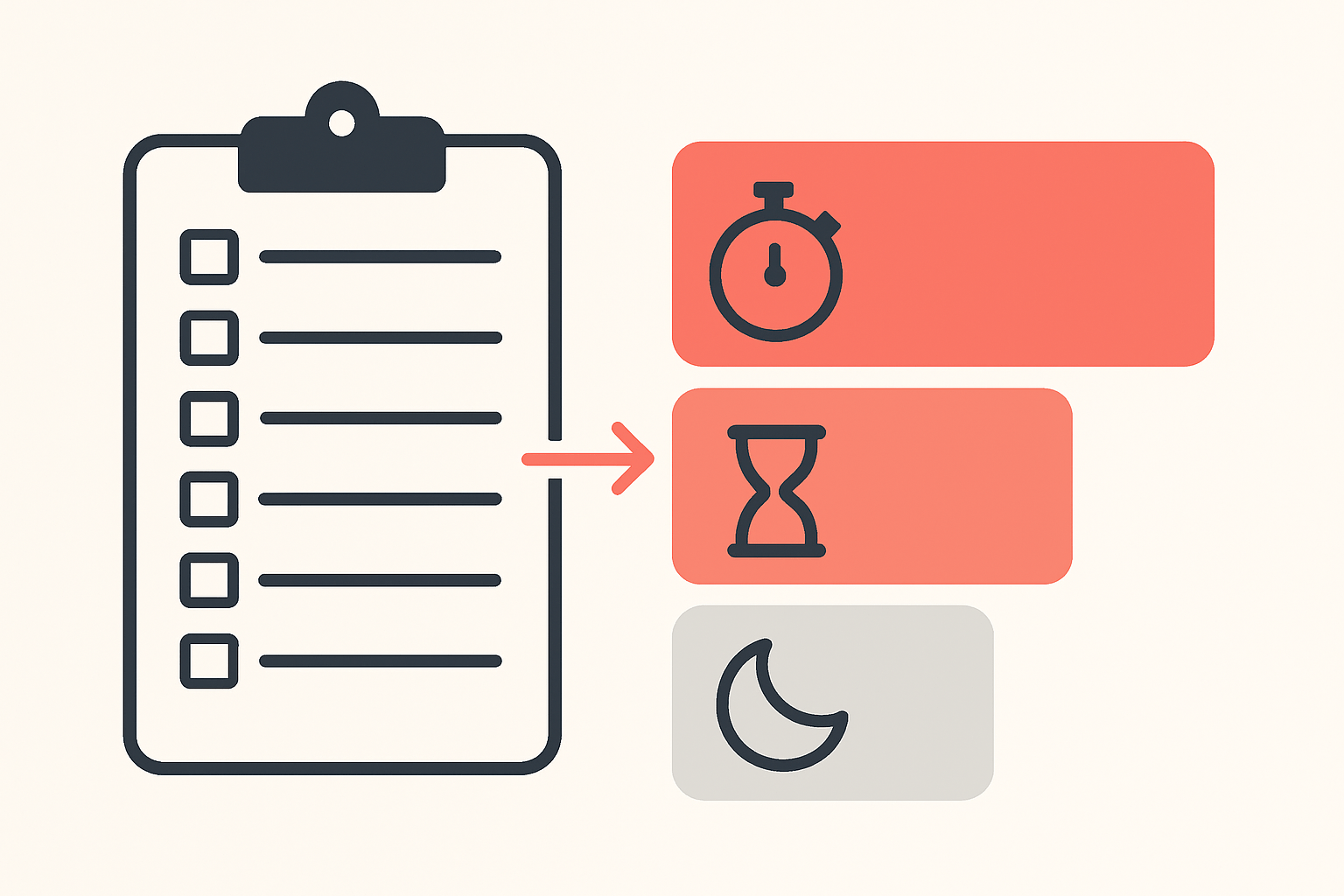
Now turn the four steps above into one table, with a row for every thing at least one competitor has and you do not. Sort it by hours to fix, not by how impressive the fix feels.
| Gap | Who has it | Hours to fix | Do it by |
|---|---|---|---|
| Star ratings on collection cards | Stores A and C | 2 | This week |
| Shipping cost stated on the product page | All three | 1 | This week |
| Announcement bar with a dated offer | Stores A and B | 1 | Two weeks out |
| Free-shipping threshold in the cart | Store B | 3 | Two weeks out |
| Delivery date on the product page | Store C | 4 | Two weeks out |
| Bundle or buy-more-save-more offer | Stores A and C | 8 | Three weeks out |
| Post-purchase tracking page | Store A | 8 | Three weeks out |
| New theme | Store B | 40+ | January |
Fill in the first two columns from your own teardown. The last column is the discipline: anything you cannot finish and test before traffic arrives belongs after the peak, however much it needs doing.
What to fix first if you only have two weeks
Two weeks is enough for four of the eight rows above, in this order.
Days 1 and 2: say the offer and say the shipping cost. Put the sale in the announcement bar with a real number and a real end date, and put the shipping cost or the free-shipping threshold on the product page where it is read before the cart. These are the two highest-leverage hours in the whole list, because they attack the 40% of abandonment that comes from cost surprises.
Days 3 and 4: put proof where the decision happens. Star ratings on collection cards and the review count near the add-to-cart button. If you have reviews already and they only live at the bottom of the product page, this is a theme setting.
Days 5 to 7: add one cart-level offer, not three. Pick a free-shipping threshold just above your current average order value, or one bundle on your best seller. One offer that is understood beats three that compete for attention.
Days 8 to 10: write the delivery promise down. A shipping page with an order-by date, a stated handling time and a returns window. Then repeat the order-by date in the announcement bar in the final week.
Days 11 to 14: test the whole path on a phone and leave it alone. Buy from your own store with a real card, read the confirmation email, and fix whatever embarrasses you.
Two things you cannot fix in two weeks, and both belong on next year's calendar. Stock is one: a seller on r/ecommerce documented running out during their biggest sales week and losing an estimated $38,000. The email list is the other, and the argument that stores waiting until October have already lost BFCM is a fair one, since the subscribers who buy in November were captured months earlier.
How we measured
Sample. App and theme figures are store installs counted across Koala's tracked-store set. The largest single count on this page, 192,654 stores running Judge.me, is a floor for how many stores sit behind these figures.
Window. One day. Every count is a single daily snapshot rather than an average over time. Measured on: 14 October 2026. The set refreshes daily, so the counts move day to day.
What is counted. Apps and themes a store publishes on its storefront, and the store's installed app count. What is not counted: private or custom apps with no public footprint, apps installed but switched off, anything in the back office, and any store outside Koala's tracked set.
Coverage. These are the stores Koala tracks, not all of Shopify. Store Leads counts 3,143,979 live Shopify stores as of 9 October 2026, so read every figure here as a benchmark drawn from an active sample rather than a platform-wide census.
The Tipsy Elves observations are from the public storefront on 15 October 2026, and its installed app count is Koala's own.
Numbers and tables on this page are free to quote with a link back to this URL.
Run the teardown on your own three competitors this afternoon
The whole method rests on one thing being free and fast: seeing what a store actually runs. Install Koala Inspector, open the first competitor, and the app detector names every app on the store, grouped by what it does, at no token cost. The theme, the category, the product count and the best sellers come with it, also free.
Three stores at fifteen minutes each is an afternoon, and it ends with a gap list rather than a feeling. Do it this week and you still have six weeks to close the rows at the top of it.
For the layer most likely to be costing you orders, read our guide to improving your Shopify conversion rate and the breakdown of high-converting Shopify product pages. If you want the app-stack baseline in more depth, the Shopify app stack report carries the full distribution, and what a Shopify app detector does covers step 1 on its own. To keep watching these stores after the peak, competitor restock signals is the follow-up routine.
Shopify Black Friday teardown: FAQ
What sellers ask before they start reading competitor stores.
Are Shopify point of sale payments secure?+
Shopify says it is certified Level 1 PCI DSS compliant, validated by annual on-site assessments, and that the certification extends by default to all stores powered by Shopify, covering the store, its shopping cart and web hosting. The part that stays yours is operational: staff roles and PINs in the POS app, two-step authentication on the Shopify account, and current reader firmware. None of that shows up in a competitor teardown, so treat POS security as a separate checklist from the five steps on this page.
Can I use my own domain name with Shopify?+
Yes. Shopify's documentation says you can use domains that you buy from Shopify or from any third-party domain provider, and you manage the settings from the Domains page in your admin. For a Black Friday teardown the practical point is which address you study and which address you sell on. Almost every store worth copying has moved onto a custom domain, and any domain change of your own belongs well before the peak rather than during it.
Can I use Shopify for free?+
Not permanently. As of October 2026, Shopify's US pricing page offers a 3-day free trial with no credit card, then $1 per month for 3 months, after which Basic is $39 USD a month paid monthly or $29 USD a month paid yearly. The teardown itself does cost nothing: reading a store's apps, theme, catalog and best sellers with Koala Inspector is free forever on the free plan, which needs no card (plans current as of October 2026).
Can Shopify spy on sales?+
Shopify will not show you another merchant's order count, and no tool can. What is readable is what a store publishes: its catalog, prices, variants, installed apps and active theme. Those reflect what the store actually shows shoppers. Traffic and sales figures in research tools, Koala Inspector included, are estimates, so use them to compare stores and spot trends rather than as revenue accounting. For a Black Friday teardown that distinction barely matters, because the things you are copying are the published ones.
Does Kim Kardashian use Shopify?+
Yes. Shopify's own enterprise blog says of Skims, the brand Kim Kardashian co-founded, that it is built on Shopify and uses Shopify's back end to power global drops. A brand at that scale makes a poor teardown target, though. Its budget, its inventory position and its brand recognition are nothing like yours, so what it does on Black Friday will not transfer. Pick three stores at your price point instead.
Do I need to be a designer or developer to use Shopify?+
No. Shopify's help documentation describes the theme editor as the place to preview your theme, change its settings, and add, remove, edit and rearrange content, and it only points you toward HTML, CSS and Liquid when your theme has no setting for the change you want. That is the test to apply to every gap you find in a teardown: if closing it is a theme setting or an app, it is a Black Friday job, and if it needs code, it is a January job.
Sources
- Shopify, BFCM 2025 data - $14.6 billion in sales, up 27%, 81+ million customers, a $114.70 average cart and a $5.1 million peak minute.
- Baymard Institute, cart abandonment rate - a 70.22% documented average across 50 studies, with 40% abandoning over extra costs and 20% over slow delivery.
- Shopify App Store, Judge.me Product Reviews - a 5.0 rating from 48,550 reviews, with a free plan available.
- Shopify, PCI compliance - Level 1 PCI DSS certification extending by default to stores powered by Shopify.
- Shopify Help Center, domains and customizing themes - the domain and no-code answers in the FAQ.
- Shopify, pricing - the 3-day trial, the $1 per month introductory period and the standard plan prices, read 15 October 2026.
- Shopify, best fashion ecommerce websites - Skims described as built on Shopify.
- Store Leads, The State of Shopify - 3,143,979 live Shopify stores as of 9 October 2026.
- r/shopify, preparing a store for Black Friday and building the list before October.
- r/ecommerce, a first $10,000 day on a 25% sitewide sale and losing an estimated $38,000 to a stockout in peak week.
- App, theme and installed-app-count figures are Koala's own, from the stores Koala Inspector tracks, read on 14 October 2026. Storefront observations of Tipsy Elves are from 15 October 2026.
Written by
Assaf Shalin
Co-founder & Developer, Koala Apps
Assaf Shalin is a co-founder of Koala Apps and one of the developers behind Koala Inspector. He builds the tools that let Shopify sellers see what is actually working in other stores, from installed apps and themes to best-selling products. On the blog he covers the technical side of store research: how competitor research really works, what public store signals can and cannot tell you, and how to turn them into decisions.
Connect on LinkedIn