How to Find Winning Products for Dropshipping in 2026
 By Ana GelevskaJanuary 13, 2025 · Updated June 4, 2026
The product you choose determines almost everything else in dropshipping: your ad costs, your margins, how often customers come back. Pick the wrong one and no amount of marketing fixes it. Pick the right one at the right time and a small store can generate serious revenue before bigger players catch on.
This guide covers how to actually find those products: what signals to watch, how to evaluate what you find, and where tools like Koala Inspector save real time.
The Dropshipping Landscape Right Now
The dropshipping market was valued at $365.67 billion in 2024 and is projected to reach $1.25 trillion by 2030, a CAGR of about 22%, according to Grand View Research. That growth creates opportunity, but it also attracts more competition.
The harder reality: the success rate for dropshipping businesses is estimated at 10-20%. Most stores fail not because dropshipping doesn't work, but because the product selection was wrong. Sellers either chase oversaturated items, pick low-margin categories, or enter a trend after it has already peaked.
To build a store that lasts, you need products that meet a few criteria:
- Real, measurable demand right now, not just six months ago
- Margins that hold up after shipping, returns, and ad spend
- A supplier who can fulfill at scale without quality problems
- Room to enter the market before it gets oversaturated
Browsing social media is a start. Facebook, TikTok, and Instagram surface what people are buying. But doing that manually takes hours every day. That is where structured research and tools come in.
Why Product Research Is the Job
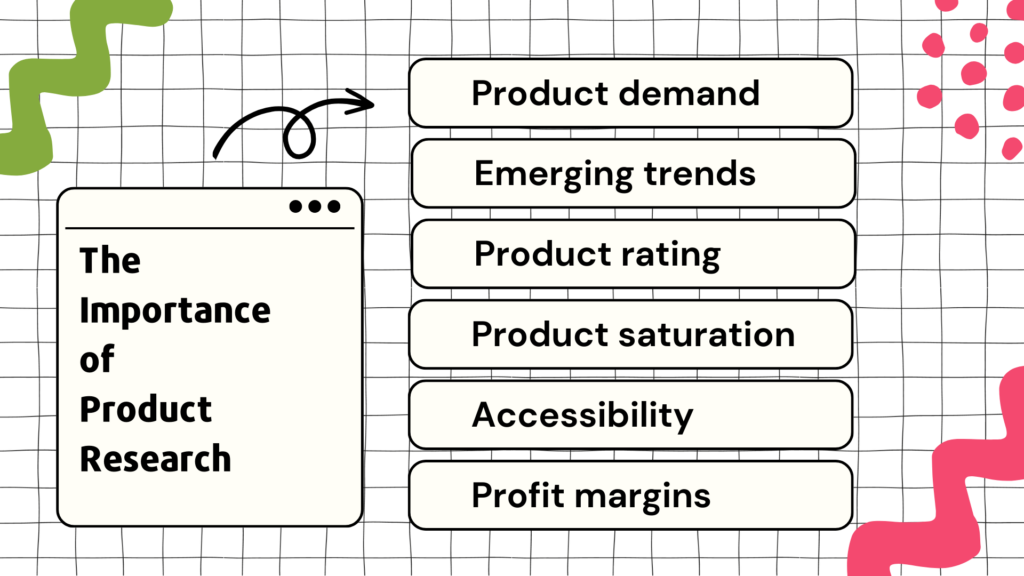
Phone cases sell constantly, but a case for a phone model that represents 2% of the market barely moves. Hot chocolate bombs blow up in November and go quiet in February. Product research is how you tell the difference before you spend money on ads.
When evaluating a product, focus on these factors:
- Demand: How many people are searching for it right now? Amazon bestseller lists, Google Trends, and competitor store data all give you real numbers. Flat or declining demand means you are already behind.
- Trend timing: A product gaining search volume is different from one that peaked last quarter. Check whether the curve is still rising, and for how long it has been trending.
- Margin math: A product that costs $12 wholesale and sells for $35 sounds reasonable until you add $8 in ads, $4 in shipping, and a 3% return rate. Work backwards from your target margin before you list anything.
- Saturation: Are fifty Shopify stores already selling this exact product at similar prices? If so, you need a real differentiator, not just another listing. Unique colorways, bundles, or a better listing can help, but sometimes the gap has simply closed.
- Supplier quality: Check star ratings and read actual reviews on wholesale platforms. A product with dozens of complaints about packaging or sizing will generate returns, bad reviews, and chargebacks on your end.
- Accessibility: Products that are hard to find in physical retail have an online advantage. If someone can walk into a Target and grab the same thing, your store is competing on price alone.
By doing this work upfront, you reduce the risk of launching a product that either nobody wants or everyone is already selling. A research tool like Koala Inspector handles a large portion of this analysis automatically.
Using Koala Inspector for Product Research
Koala Inspector is a free Chrome extension that pulls data from live Shopify stores. Instead of guessing what your competitors sell or what prices they charge, you see it directly. Key features:
- Best-selling products: See which items move most in any competitor store, which are newest, and how everything is priced.
- Dropshipping sources: The extension uses a machine-learning model to match products to known wholesale suppliers, so you can source the same items.
- Ad campaigns: See what ads competitors are running on Google, Facebook, and Instagram, so you know what is working for them.
- Traffic data: Check where a store's visitors come from and which channels drive the most customers.
- Theme detection: Find out what theme a store uses if the design looks good and you want something similar.
The most practical feature is the favorites list. While browsing a competitor's inventory, click the heart icon on any product you want to track. When you have a list you are happy with, export it as a CSV and import it directly into your Shopify store. That workflow cuts the time between finding a product and having it live in your store from hours to minutes.
Product Categories With Consistent Demand
The e-commerce market shifts, but certain categories hold up across seasons. Fashion accounts for over 34% of all dropshipping sales, according to Dropship.io research. Other categories that consistently produce results include:
- Clothing and accessories
- Beauty and fitness products
- Pet supplies
- Home and office supplies
- Tech gadgets and accessories
- Reusable bottles and drinkware
Stainless steel drinkware saw a 90% jump in search interest over the past year, driven partly by health trends and partly by social media. That kind of search growth, paired with a clear customer base, is exactly what a good product signal looks like.
The pattern that works well for many dropshippers is anchoring the store around a theme rather than a random mix of products. A health-focused buyer might want gym apparel, a reusable water bottle, and a fitness tracker. If your store covers two or three of those categories with quality products, average order value climbs and repeat purchases become more likely.
How to Evaluate a Product Before Listing It
Finding a product is different from knowing whether it will sell in your store. Here is how to check the main variables:
Demand
Google Trends shows you whether search volume is rising, flat, or falling. Amazon bestseller lists show you what is moving today. Checking competing Shopify stores with Koala Inspector shows you what real buyers are purchasing right now in your niche.
Competition
A product with high demand and few Shopify sellers is the ideal situation. If you find something where demand is clearly up but supply is limited, that is a real gap. More often you will find products where competition is high, and you need to decide whether your offer is differentiated enough to compete.
Niche Fit
A store with a defined theme attracts buyers who are already looking for exactly what you sell. Theming your product selection to a specific lifestyle or interest increases conversion rates because visitors arrive with intent, not just curiosity.
Seasonality
Evergreen products, things that sell year-round at consistent volume, are the foundation of a stable store. Seasonal products can generate a burst of revenue around their peak, but they also go quiet fast. The safest approach is building around evergreens and adding seasonal items on top.
Profit Margin
Work the math before you list. Factor in: product cost, shipping, platform fees, estimated returns, and ad spend to acquire a sale. Products that are hard to find elsewhere can support a higher markup. Products competing on price alone rarely leave enough margin after ads.
Quality
A customer who receives a poorly made product will not come back and may leave a bad review. Check ratings on wholesale platforms and, when possible, order a sample before stocking a product.
Finding Best Sellers Inside Competitor Stores
Learning to find products to dropship gets much faster when you can look inside competitor stores directly. Here is the step-by-step with Koala Inspector:
- Pick your target stores: Start with two or three Shopify stores in your niche that appear to be doing real volume.
- Check the product stats tab: See the highest-priced and lowest-priced items, the average selling price, and when products were first and last added.
- Browse the All Products tab: This gives you a full catalog view, making it easy to spot themes or gaps.
- Check the New Products section: Recently added products are often trend signals. If a successful store just added a category, they may have spotted something early.
- Sort by best sellers: The data shows which products have the most traction with real buyers, not just which ones the owner thinks will sell.
- Save favorites: Heart the products that fit your store, then export the list as a CSV.
- Import to your Shopify: Upload the CSV and your store is populated with products that already have a proven track record somewhere.
One detail worth noting: Koala Inspector includes a points-and-ranks system as you use it. Small thing, but it makes working through competitor stores less tedious when you are doing it regularly.
Competitive Analysis
Analyzing competitor stores is not a one-time exercise. Markets shift, and stores that were selling heavily into one category six months ago may have moved on. Checking your main competitors monthly with Koala Inspector gives you a running read on what is gaining traction and what is fading.
The specific things to track: best-selling products and their pricing, newly listed products (early trend signals), which ad campaigns they are running and on which platforms, and where their traffic comes from. If a competitor suddenly starts running heavy Facebook ads for a product they added recently, that is a signal worth investigating.
You can also use the supplier-matching feature to source the same products directly, which lets you compare your landed cost against their retail price to see whether the margins make sense.
Testing Before You Commit
A large share of consumers now discover new products through short-form video on TikTok, Instagram Reels, and YouTube Shorts. That changes how product validation works. A product that photographs well and fits a 30-second demo video has an inherent advantage over one that is hard to show visually.
Before investing in inventory or a full ad campaign, run smaller tests:
Pre-orders
Open a product for pre-orders and measure the response. A long waitlist tells you demand is real. No pre-orders tells you something important too.
Low-budget ad tests
A well-known approach from experienced sellers: run a $5/day Meta Page Post Engagement campaign for 24 hours. If you get at least a few comments and shares in that window, the product has enough pull to justify scaling spend. If engagement is flat, move on. This test costs $5 and gives you real signal.
Multiple platforms
Test the same product on Facebook and TikTok simultaneously. Different audiences respond differently, and knowing which platform converts better before you scale saves money.
Soft launch
List the product with a minimal spend behind it and watch organic performance. If people find it and buy without much push from paid ads, that is a strong signal.
Customer feedback
Buyers will tell you what is wrong with a product if you make it easy for them. A short follow-up email after purchase collects feedback that is worth more than any survey tool.
Scaling After You Find What Works
Finding a winning product is the start. Scaling it sustainably requires a few things to be in place:
A clear brand identity matters more as you grow. Generic stores selling the same products as everyone else compete on price, which kills margins. A store with a distinct look, a defined audience, and consistent branding can hold higher prices and attract repeat buyers.
Inventory management becomes critical at volume. The supplier handling 50 orders a week may not handle 500 without quality slipping or lead times stretching. Test at a smaller scale first, then have a conversation with your supplier about what higher volume looks like before you hit the ceiling.
Marketing diversification protects you. Dropshipping stores that maintain at least one active social media channel tend to generate more revenue than those that do not. Adding email, influencer outreach, and content alongside paid ads reduces your dependence on any single channel.
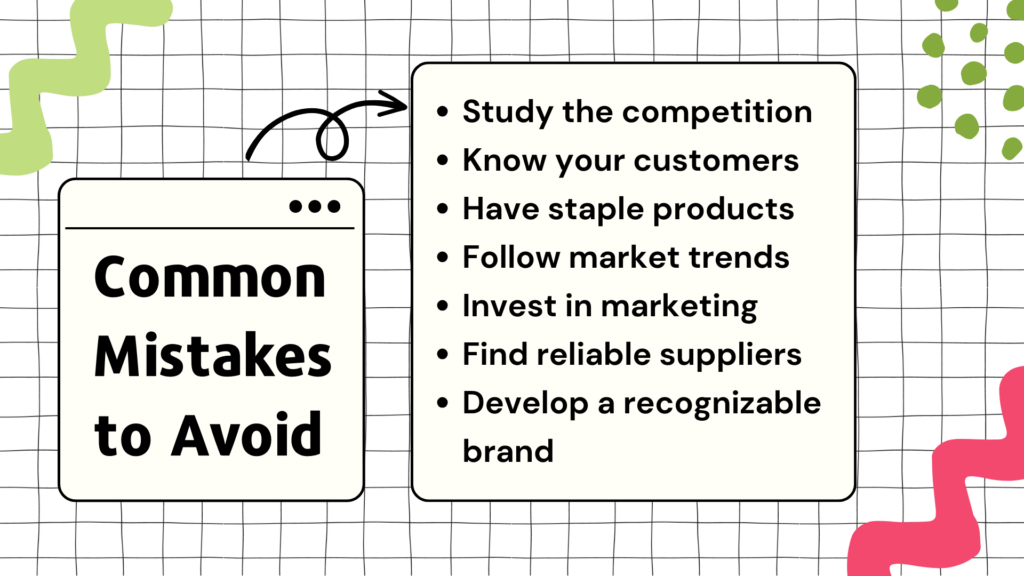
Common Mistakes That Kill Margins
Running a profitable Shopify store is harder than it looks. A few mistakes show up repeatedly:
- Chasing saturation: A product trending on every dropshipping forum is usually too late to enter profitably.
- Ignoring the margin math: Selling volume at thin margins feels like progress until a single ad account issue or return rate spike wipes out a month of profit.
- Skipping supplier vetting: A supplier that ships late or sends damaged goods destroys your reviews and your customer relationships, not just the transaction.
- No evergreen base: Building entirely around seasonal or trend products means constant restocking and constant product-finding. A core of products that sell year-round gives you stability.
- Unclear target customer: Knowing the age, location, and buying habits of your actual buyers changes which products you stock and where you advertise. Sellers who skip this step waste ad spend on the wrong audiences.
Using Koala Inspector for regular competitor analysis addresses several of these at once. You see what successful stores actually stock, how they price it, and which products move. That data beats guessing.
Summary
Winning product selection comes down to three things: finding real demand signals before a product peaks, vetting the numbers honestly, and validating before you scale. The stores that do this consistently outperform the ones chasing whatever is trending on social media this week.
The tools have gotten better. Koala Inspector gives you direct visibility into competitor stores. Get Koala Inspector and start working from real data instead of guesswork.
Written by
Ana Gelevska
eCommerce Content Writer
Ana Gelevska is a content writer with more than five years of experience creating content for eCommerce brands and global clients. She digs into each topic and the people it is for, then turns it into clear, useful articles that Shopify sellers and dropshippers can act on.
Connect on LinkedIn