
Footwear Dropshipping Winning Products: How to Spot Shoes That Actually Sell
 By Ana GelevskaJuly 10, 2026
Footwear looks like an easy dropshipping win. Everyone buys shoes, the styles refresh every season, and a good pair carries a real emotional pull. Then you actually run the numbers and the picture gets more complicated. Shoes come in a dozen sizes, buyers return the ones that do not fit, and a single unhappy customer can eat the margin from three good orders.
None of that makes footwear a bad niche. It makes it a niche you have to enter with your eyes open. The sellers who do well here are not the ones who found a secret product. They are the ones who picked a sub-niche that tolerates online sizing, priced in the return risk, and confirmed real demand before spending on ads. This guide walks through all three.
Why footwear is worth testing (and where beginners get burned)
Apparel and accessories are a huge slice of online retail, and shoes ride along with that demand. Ecomhunt's breakdown of US retail puts apparel and accessories at 8.1% of total retail sales, and footwear sits inside that category with its own steady, repeat-purchase behavior. People replace shoes on a schedule, buy different pairs for different occasions, and shop for them year-round.
The trap is treating footwear like any other product. It is not. Two problems are specific to shoes and both hit your margin directly: sizing (which drives returns) and the emotional weight buyers put on a shoe that has to fit and feel right. Get the sub-niche wrong and you inherit both problems at full strength. Get it right and you sidestep most of the pain.
"Finding winning products" is consistently the loudest complaint in dropshipping communities, and footwear is one of the sub-niches people keep asking about. Ecomhunt built an entire AliExpress research assistant around that exact pain, because product hunting is the wall most beginners hit first. The good news is that footwear breaks down into a handful of sub-niches with very different risk profiles, so you can choose the friendly ones.
The footwear sub-niches that actually sell
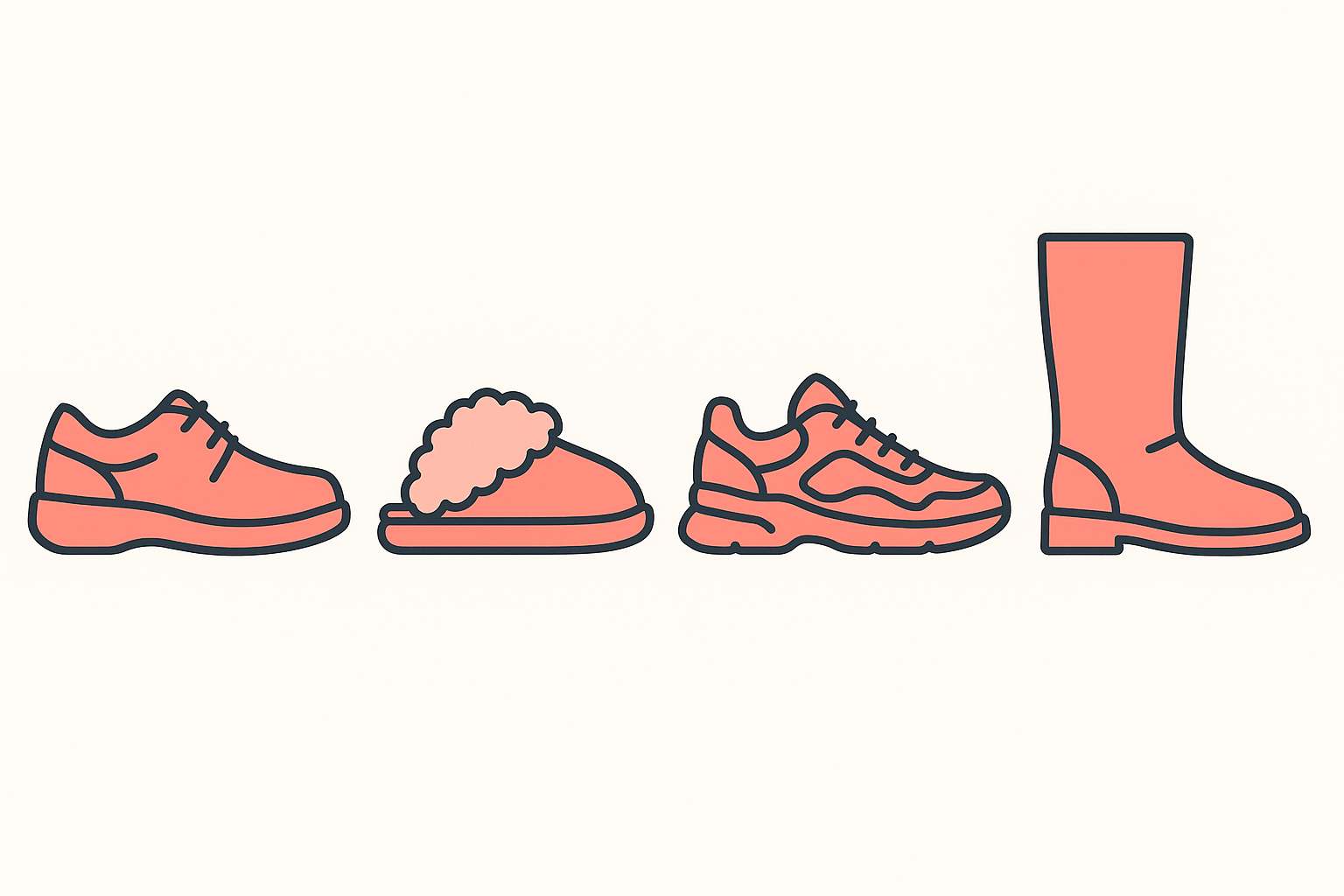
Not all shoes carry the same sizing and returns risk. These four sub-niches keep showing up in product research for a reason, and each one has a different reason to work.
Comfort and orthopedic footwear
This is the standout for online selling. Comfort shoes, arch-support sandals, orthopedic slip-ons, and insoles sell on a benefit ("my feet stop hurting") rather than a precise fashion fit. Buyers are more forgiving on exact styling and more motivated by the promise of relief, which softens the sizing problem. The audience also skews toward people who research a purchase before buying, so a page with real detail and reviews converts well. Height-boosting insoles and supportive slip-ons show up repeatedly in real store catalogs for exactly this reason.
Slippers and cozy house footwear
Slippers are the easy-mode entry to footwear. Sizing runs loose (small/medium/large beats precise EU sizing), returns are lower because a slipper does not have to fit like a running shoe, and the products photograph well for social ads. They spike hard in autumn and winter and make strong gift items, so you can ride a seasonal wave without committing to year-round inventory. Novelty and character slippers do especially well as impulse buys.
Trendy sneakers and casual shoes
Sneakers are the high-demand, high-competition lane. The upside is huge search volume and constant style turnover. The downside is precise sizing, brand expectations, and a crowded field. If you go here, win on a specific angle: a distinctive style, a color drop, a sock-sneaker or slip-on cut that is harder to size wrong. Ecomhunt has flagged women's sock sneakers as a Q4 trending product precisely because the stretchy, forgiving fit dodges the usual sizing headache.
Seasonal boots and sandals
Boots in autumn and winter, sandals in spring and summer. Seasonal footwear lets you concentrate ad spend into the weeks when intent peaks, then rotate. The catch is timing: you have to be live and tested before the season hits, not scrambling once it is already trending. Sandals share the slipper advantage of looser sizing, while boots carry more return risk and need better size guidance.
The margin and returns math that is unique to footwear
Here is where footwear punishes sellers who skip the math. The problem is not the product cost. It is the returns, and returns in footwear are driven by fit.
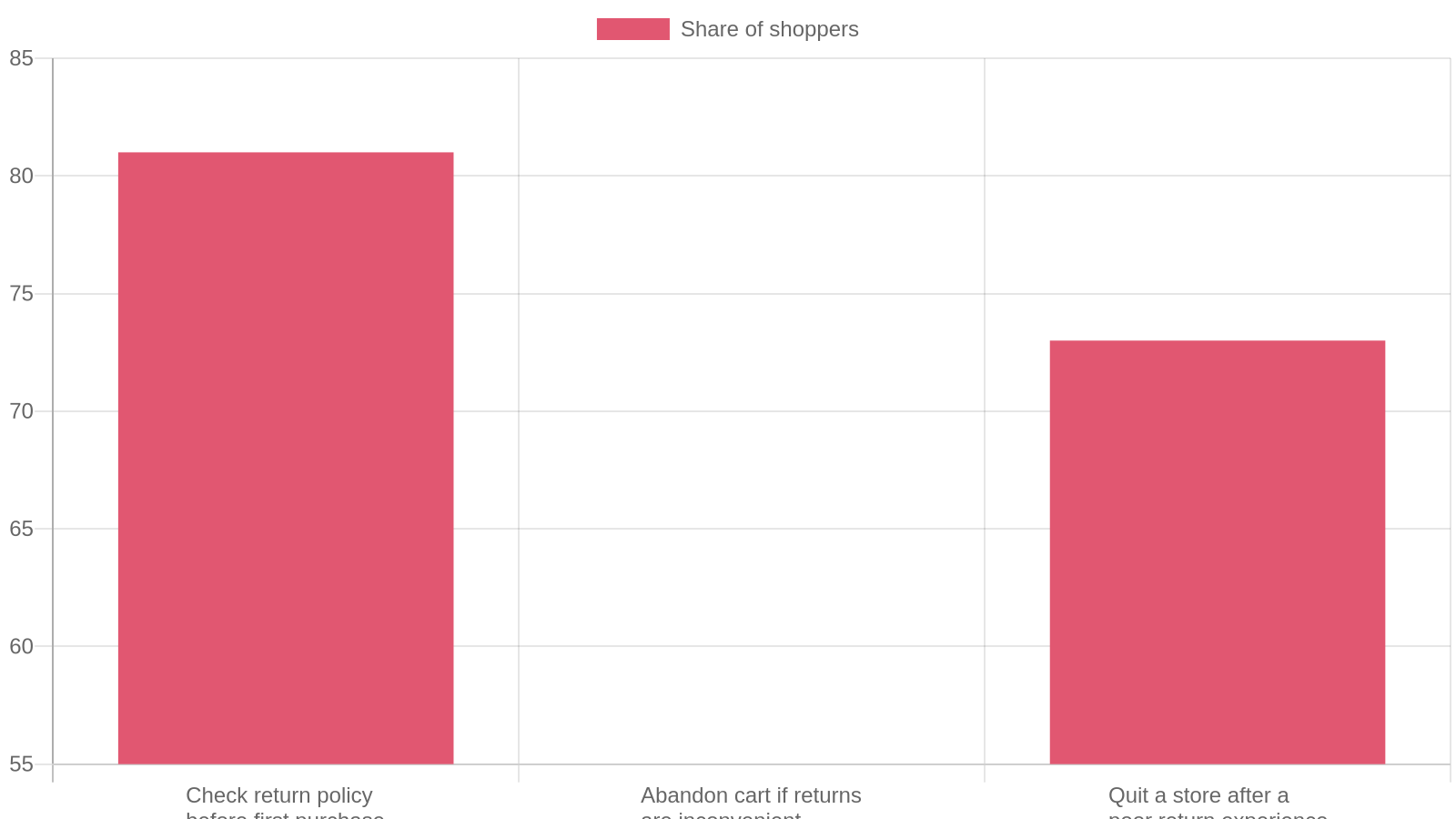
Shoppers treat return policy as a buying decision, not an afterthought. A PayPal-commissioned Happy Returns survey found that 81% of US adult digital consumers check the return policy before a first-time purchase, 55% abandon their cart if returns look inconvenient, and 73% will stop shopping with a store after one poor return experience. Footwear amplifies all three, because a shoe that does not fit is the single most common reason a buyer sends anything back.
What that means for how you build a footwear store:
- Price the return risk in from day one. Do not set your margin as if every order sticks. Assume a slice of orders come back and make sure the winners still cover them. Comfort shoes and slippers keep that slice small; precise-fit sneakers and boots make it bigger.
- Kill sizing confusion before it happens. A detailed, honest size chart with real measurements (foot length in cm, not just "runs small") is the highest-leverage thing on a footwear product page. Add fit notes from reviews. Ambiguity here is the return you pay for later.
- Make the return path painless. Since a poor return experience loses the customer for good, a clear, easy return policy is not a cost center, it is what keeps the 81% who checked it from bouncing.
- Favor forgiving fits. Slip-ons, sock sneakers, slippers, and adjustable sandals return less than rigid, precise-fit styles. When two products look equally promising, the more forgiving fit is usually the better bet.
The margin killer nobody plans for is a slow or unreliable supplier turning a sizing return into a refund plus a lost customer. Which is why the next step matters as much as picking the product.
Sourcing footwear without getting burned
"Finding reliable suppliers" is the most frequent pain point in dropshipping communities, and it is sharpest in footwear because sizing consistency depends entirely on the manufacturer. A supplier whose "size 8" is really a 7.5 will generate returns no size chart can save. AutoDS keeps publishing supplier roundups built around fast, reliable shipping for exactly this reason.
Two habits protect you:
- Order samples and measure them. Do not trust the listing's size chart. Buy the pair, measure the actual insole length, and check that materials match the photos. This is non-negotiable for footwear.
- Keep a backup supplier per style. A stockout mid-campaign is worse in footwear because you cannot substitute a different size or color without disappointing the buyer. Have a second source ready.
If plus-size or wide-fit is your angle, note that specialty apparel niches tend to carry bigger margins because the audience is underserved - the same logic applies to wide-width and hard-to-fit footwear.
How to validate a footwear pick against real competitor stores
A trending product on a research tool is a hypothesis, not a winner. The only proof that a shoe sells is that real stores are actively scaling it right now. This is exactly what Koala Inspector, our free Shopify research Chrome extension, is built to check. Instead of guessing from an AliExpress order count, you read the signals from stores that are already selling.
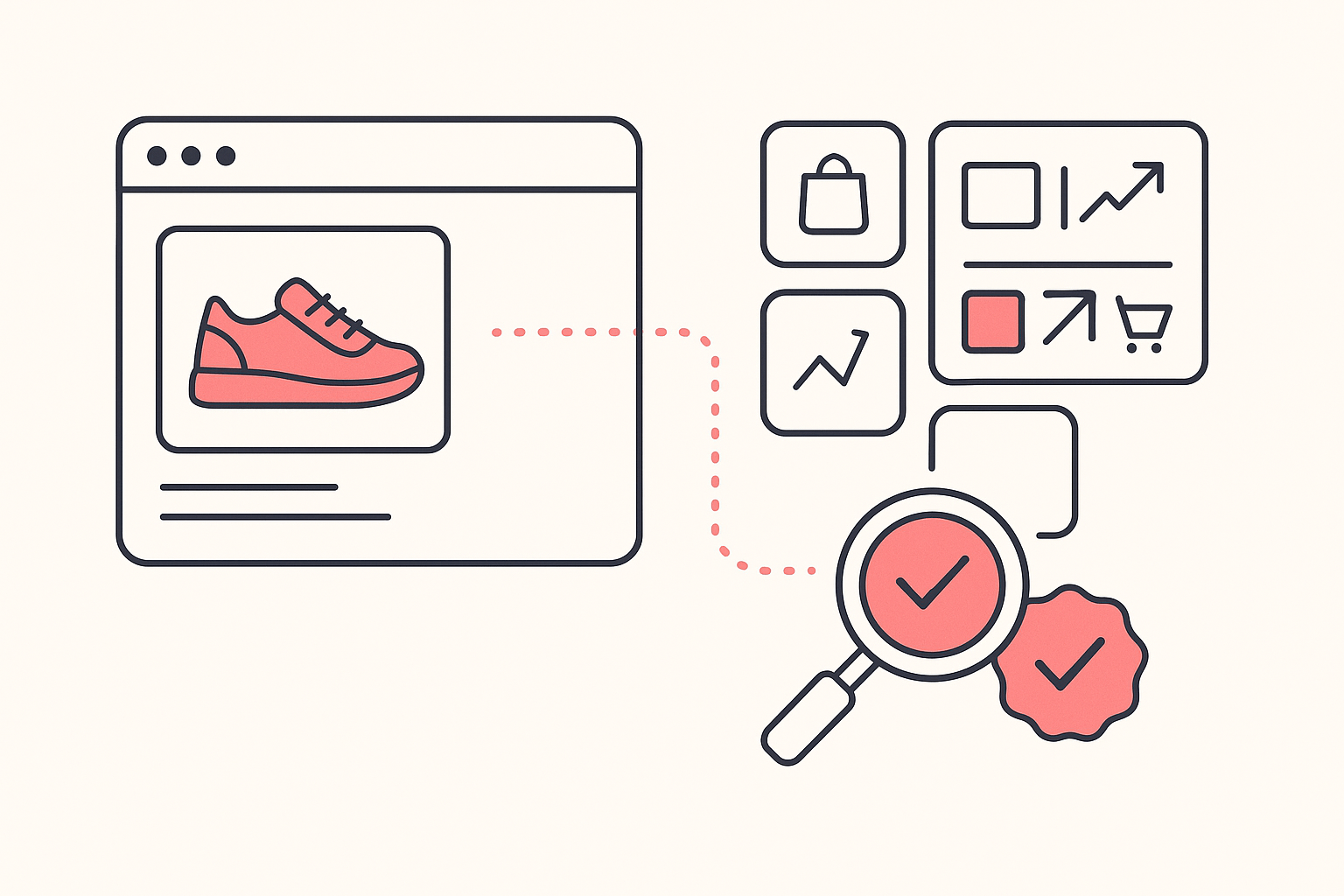
Here is the workflow, start to finish:
- Find stores selling your candidate shoe. Open a product you are considering and use Find Retailers to surface other stores and marketplaces selling the same or a similar pair. That tells you whether this is a real, widely-sold product or a one-off listing.
- Read whether those stores are serious operations. Open Koala Inspector on a competitor's storefront. The free app detector and theme detector show you what they are running. A store on a paid theme with a review app, an email marketing app, and an upsell app installed is investing real money - a strong sign the product is working for them.
- Check whether they are actually spending on ads. The Ad Campaigns view shows the Google and Facebook/Instagram ads a store is running, including the creatives and offers. If several competitors are actively advertising the same footwear style, that is your demand confirmation. Nobody keeps paying for ads on a product that does not convert.
- Confirm the product has momentum, not a dying spike. Product Trends surfaces live trending products with sales signals, so you can tell a shoe on the way up from one that already peaked. Timing is everything with seasonal boots and sandals.
- Watch the winners over time. Add the strongest competitor to Shop Tracking and Koala re-scans it, logging when they add products, change prices, swap themes, or install new apps. When a competitor suddenly pushes a new sandal into their ad rotation heading into summer, you see it early.
Read those signals together and you replace "I think this shoe could sell" with "three scaling stores are advertising this exact style and one just tracked a price increase." That is the difference between a guess and a validated pick. And because the store overview, app detector, theme detector, and best-seller research are all free, you can run this check on as many candidates as you want before committing a dollar to ads.
For the wider process of separating a real winner from a saturated one, our guide on whether a dropshipping product is saturated pairs well with this footwear checklist.
Frequently asked questions
Is footwear a good niche for dropshipping in 2026?
Yes, if you pick the right sub-niche. Comfort footwear and slippers are beginner-friendly because they tolerate loose sizing and return less. Trendy sneakers and seasonal boots have bigger demand but carry more sizing and returns risk. The niche rewards preparation, not luck.
What is the biggest problem with dropshipping shoes?
Sizing-driven returns. A shoe that does not fit is the most common reason buyers send footwear back, and returns eat directly into margin. A detailed size chart with real measurements, forgiving fits, and a supplier whose sizing is consistent are the three defenses that matter most.
Which footwear products sell best for beginners?
Slippers and comfort/orthopedic footwear are the easiest starting points. Slippers use loose small/medium/large sizing and spike as seasonal gifts; comfort shoes and insoles sell on a benefit rather than a precise fashion fit, so buyers are more forgiving. Both keep returns lower than precise-fit sneakers.
How do I know if a shoe is actually a winning product?
Confirm that real stores are scaling it. Use Koala Inspector to check whether competitors selling that shoe are running paid ads, sitting on paid themes with serious app stacks, and showing up in live product trends. Several stores actively advertising the same style is far stronger evidence than an AliExpress order count.
How do I handle returns on dropshipped footwear?
Plan for them. Price a return rate into your margin so winners still profit, publish an honest size chart to cut the returns you can prevent, and make your return policy clear and easy. Since most shoppers check the return policy before buying and abandon over an inconvenient one, a painless policy protects both your margin and your conversion rate.
Start validating footwear picks for free
Footwear rewards the seller who does the homework: choose a sub-niche that survives online sizing, price the returns in, source a supplier whose sizes are honest, and confirm real competitors are scaling the product before you spend on ads. That last step is the one most people skip, and it is the cheapest to get right.
Install Koala Inspector free and start reading the signals from stores that are already selling shoes. The store overview, app and theme detectors, and best-seller research cost nothing, so you can pressure-test every footwear candidate before it ever touches your ad budget.
Written by
Ana Gelevska
eCommerce Content Writer
Ana Gelevska is a content writer with more than five years of experience creating content for eCommerce brands and global clients. She digs into each topic and the people it is for, then turns it into clear, useful articles that Shopify sellers and dropshippers can act on.
Connect on LinkedIn