Jewelry Dropshipping Winning Products (and How to Validate Them) in 2026
 By Ana GelevskaJuly 10, 2026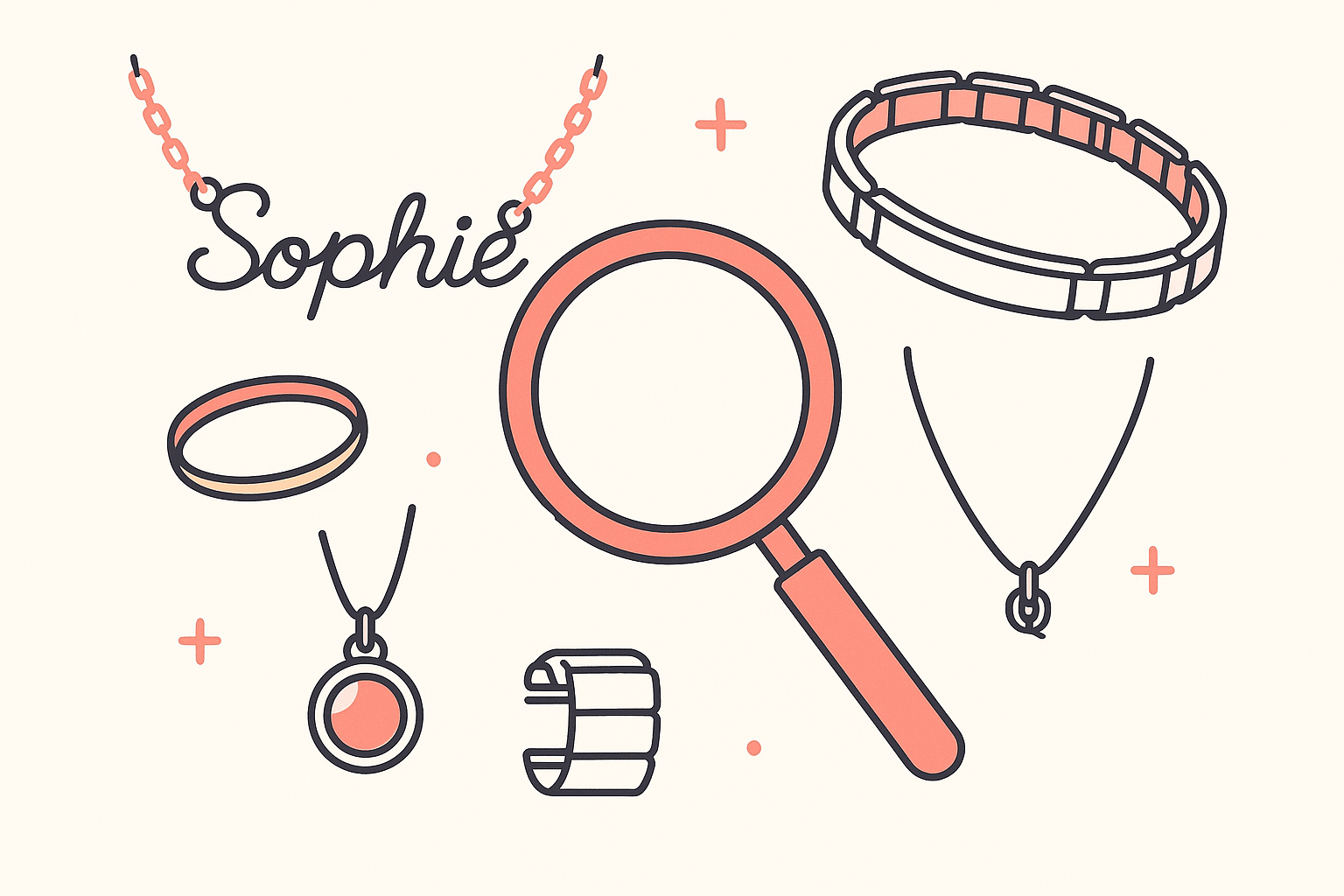
Jewelry is one of the best-matched niches in dropshipping: tiny to ship, cheap to source, and easy to sell on emotion. A necklace with someone's name on it, a birthstone that marks a birthday, a minimalist ring that finishes an outfit. People buy jewelry for reasons that have nothing to do with price, which is exactly why the margins can be so wide. Jewelry and watches is a standing trending category, refreshed weekly, on the tools sellers use to spot demand (Sell The Trend).
This guide covers the jewelry sub-niches that actually sell, the two realities that sink most new jewelry stores (margin math and quality control), and a repeatable workflow to validate any pick before you spend on ads. The whole method comes down to one move: find a jewelry store that is already scaling a product, read its best-sellers, apps, traffic, and live ads in your browser, and build your own version of what works.
The Jewelry Sub-Niches That Sell
Jewelry is not one niche, it is a shelf of them. Each sub-niche has a different buyer, a different angle, and a different reason to convert. Pick one and go deep instead of listing everything.
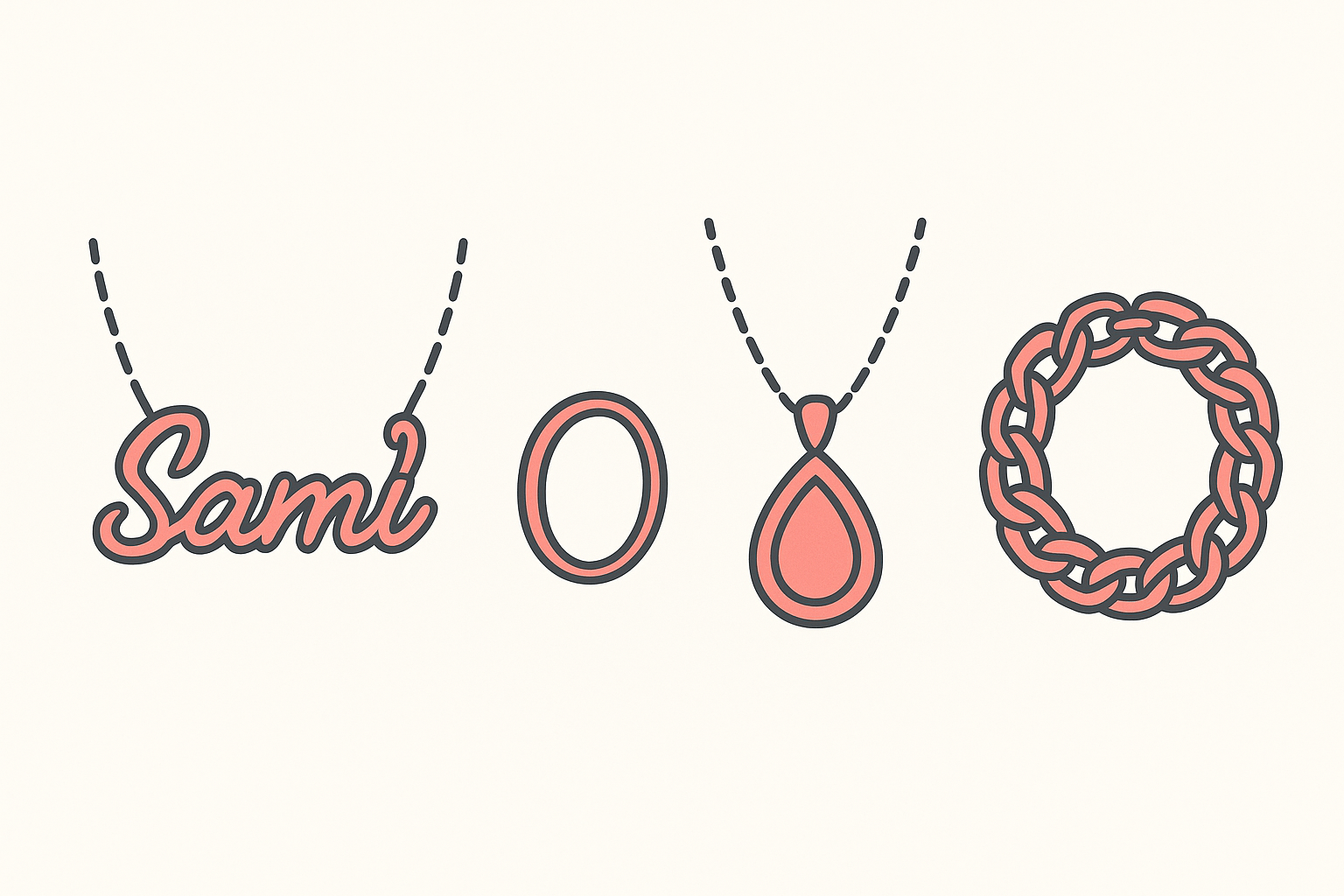
Personalized and name jewelry. This is the strongest angle in the category because the product is unique to the buyer. A name necklace, a coordinates bracelet, an initial ring, or a "to my daughter" message piece cannot be price-shopped against a marketplace, because no one else sells that exact item. Personalization also makes it a gift, which widens your audience from the wearer to everyone who buys for them. Personalized and custom gifts is a dedicated trending category for the same reason (Sell The Trend). In Koala's own store data, personalized message necklaces and custom heart-pendant bracelets keep showing up as trending jewelry products across the stores Koala tracks.
Minimalist and everyday jewelry. Thin gold-tone chains, dainty rings, small studs, and layering sets. These win on aesthetic and repeat purchase: buyers who like the look come back to build a stack. The product photographs beautifully for social ads, and the low price point makes it an easy first purchase. Minimalist necklaces and delicate sterling-silver pieces are recurring trending products in Koala's data.
Spiritual and birthstone jewelry. Birthstone pendants, zodiac necklaces, faith and intention pieces, and "meaning" jewelry. This sub-niche sells the story, not the metal. A birthstone marks a person, a faith ring signals belief, a sunflower or knot pendant carries a message. Because the meaning does the selling, these convert without a designer label. Faith rings and message pendants both appear among the trending jewelry pieces Koala observes.
Waterproof and stainless steel jewelry. This is the answer to jewelry's biggest complaint. Stainless steel and PVD-coated pieces do not tarnish, do not turn skin green, and survive showers and workouts. "Waterproof jewelry that will not fade" is a genuine product benefit you can put in the ad, and it directly counters the return-driving problem that plagues cheap plated jewelry. If you want a durable angle in a category known for quality issues, this is it.
The Margin Reality
Jewelry margins look incredible on paper, and they can be, but only if you respect the math. A piece that costs a few dollars to source can retail for many times that because the buyer is paying for meaning, not materials. That spread is what funds your ads, your returns, and your profit.
The trap is treating the sticker margin as your real margin. Before you call a product a winner, subtract everything: product cost, shipping to the customer, transaction fees, your ad cost per sale, and a realistic return rate. Jewelry returns run higher than gadgets because sizing, color, and quality expectations all matter. A ring that fits wrong or a "gold" chain that looks brassy in daylight comes back. Build a breakage-and-return buffer into your price before launch, not after your first refund wave.
Product research and niche selection are the two most-discussed levers among sellers precisely because getting them right is what makes the margin real (AutoDS). A winning jewelry product is not the cheapest one to source. It is the one whose perceived value is high enough that the price feels fair and your margin survives every deduction above.
The Quality-Control Reality
Here is the part most jewelry guides skip. The single most common frustration sellers report is unreliable suppliers, and jewelry is one of the categories where that hurts most (Dropship.io). Plated jewelry tarnishes. Clasps fail. The piece in the photo is not always the piece in the package. Every one of those is a one-star review and a refund, and reviews are the currency jewelry runs on.
Protect yourself with three habits:
- Order samples before you scale. Never run ads to a product you have not held. Check the plating, the clasp, the weight, and how it looks in real light, not studio light. If it turns your finger green in a week, so will your customer's.
- Favor materials that survive. Stainless steel, PVD coating, and sterling silver hold up far better than cheap gold plating. A durable material is fewer returns and a stronger ad claim.
- Watch your supplier for silent changes. A supplier who quietly swaps the material or the finish can tank your reviews without warning. Sellers repeatedly describe conversion and ad performance collapsing after an unannounced supplier change (Dropship.io). Reorder samples periodically and treat consistency as a feature.
If you want the deeper version of this, our guides to finding reliable suppliers and to judging whether a product is saturated both apply directly to jewelry.
How to Validate a Jewelry Pick
Guessing is the slow, expensive way to find winners. The fast way is to study a jewelry store that is already selling and reverse-engineer what makes it work. A scaling store has spent real money proving the product, the angle, and the app stack for you.
Here is the workflow. Open a live jewelry Shopify store and use the free Koala Inspector Chrome extension to read what is normally hidden:
- Read the best-sellers first. Koala Inspector surfaces the store's full catalog and flags its likely best-sellers with prices and details. This tells you what is actually moving, not what the homepage banner is pushing. If three jewelry leaders all feature personalized necklaces up top, that is your signal.
- Copy the app stack. The free app detector lists every Shopify app the store runs, grouped by type. Jewelry stores lean hard on reviews, upsells, and email, and reviews carry more weight here than in almost any other niche. If the leaders all run the same review app and the same email tool, that stack is the proven setup. Copy it.
- Check the traffic profile. The Site Traffic view shows the store's average monthly traffic, where visitors come from, the top keywords, and the audience. That tells you whether a jewelry store is built on paid social, search, or repeat buyers, so you know which channel actually drives sales in this category.
- See the ads they are running. Ad Campaigns shows the store's live Google and Facebook/Instagram creatives. You read the exact angle a winning jewelry store uses, the offer, and the hook, before you spend a cent testing your own.
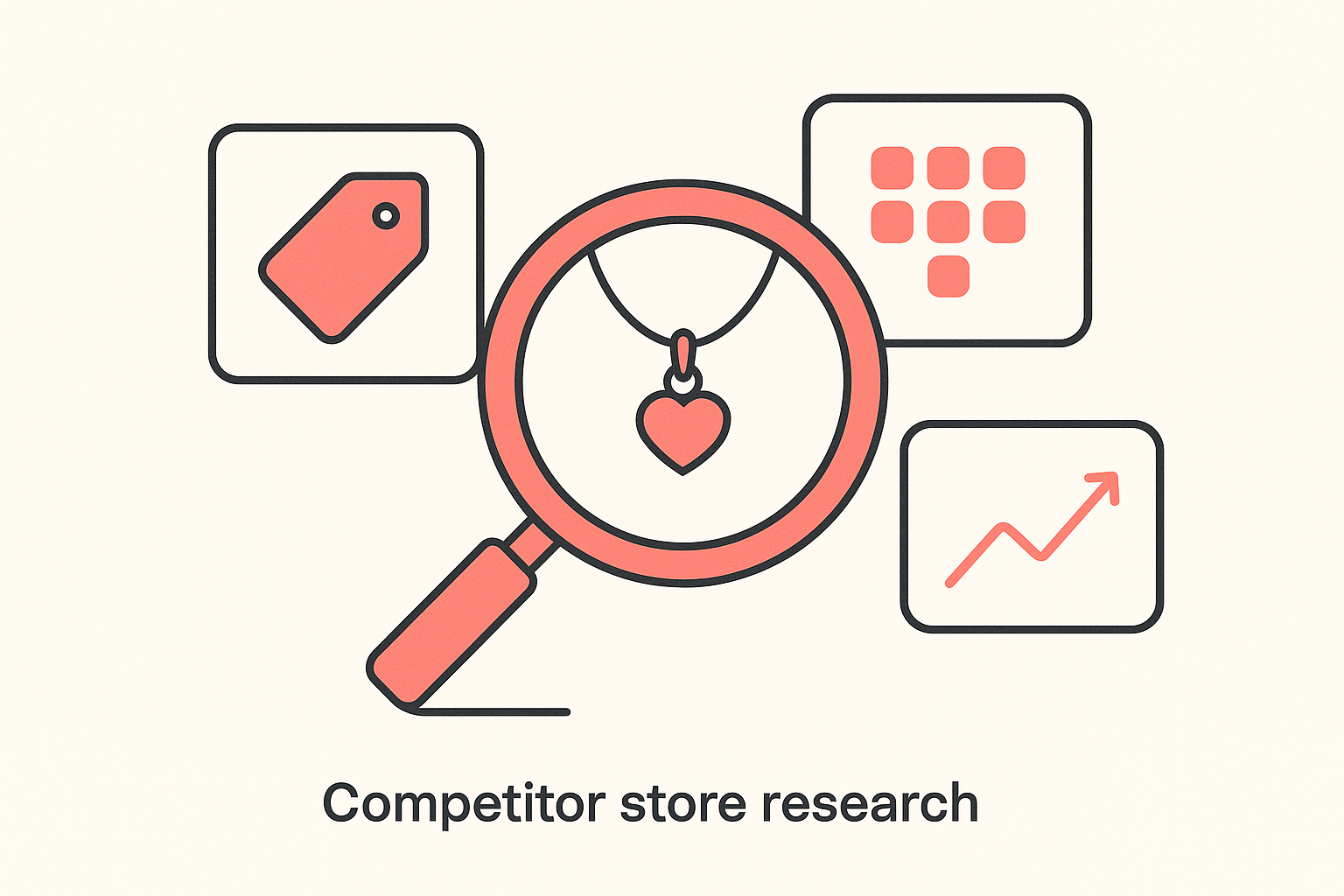
You do not need to guess which store to study. Jewelry runs deep, so leading stores cover everything from fine and personalized pieces to minimalist and waterproof lines. Pick one that is clearly selling, then read its winners and its stack in minutes. To go further, Koala Inspector can track a store over time and log when it adds products, swaps apps, or changes prices, so you watch a proven seller's next move instead of reacting late.
The free plan gives you 15 tokens a month with no credit card, enough to analyze stores, detect apps and themes, and browse best-sellers without paying anything. That is your whole validation toolkit, free.
Demand Is Deep Enough for New Sellers
Jewelry demand is not thin. Across the jewelry and accessory stores Koala tracks, the leaders pull serious modeled monthly traffic, which means there is room for a new seller to take a slice without fighting for scraps. Here is what that looks like for a handful of leading jewelry stores in Koala's data, anonymized, by modeled monthly visits:
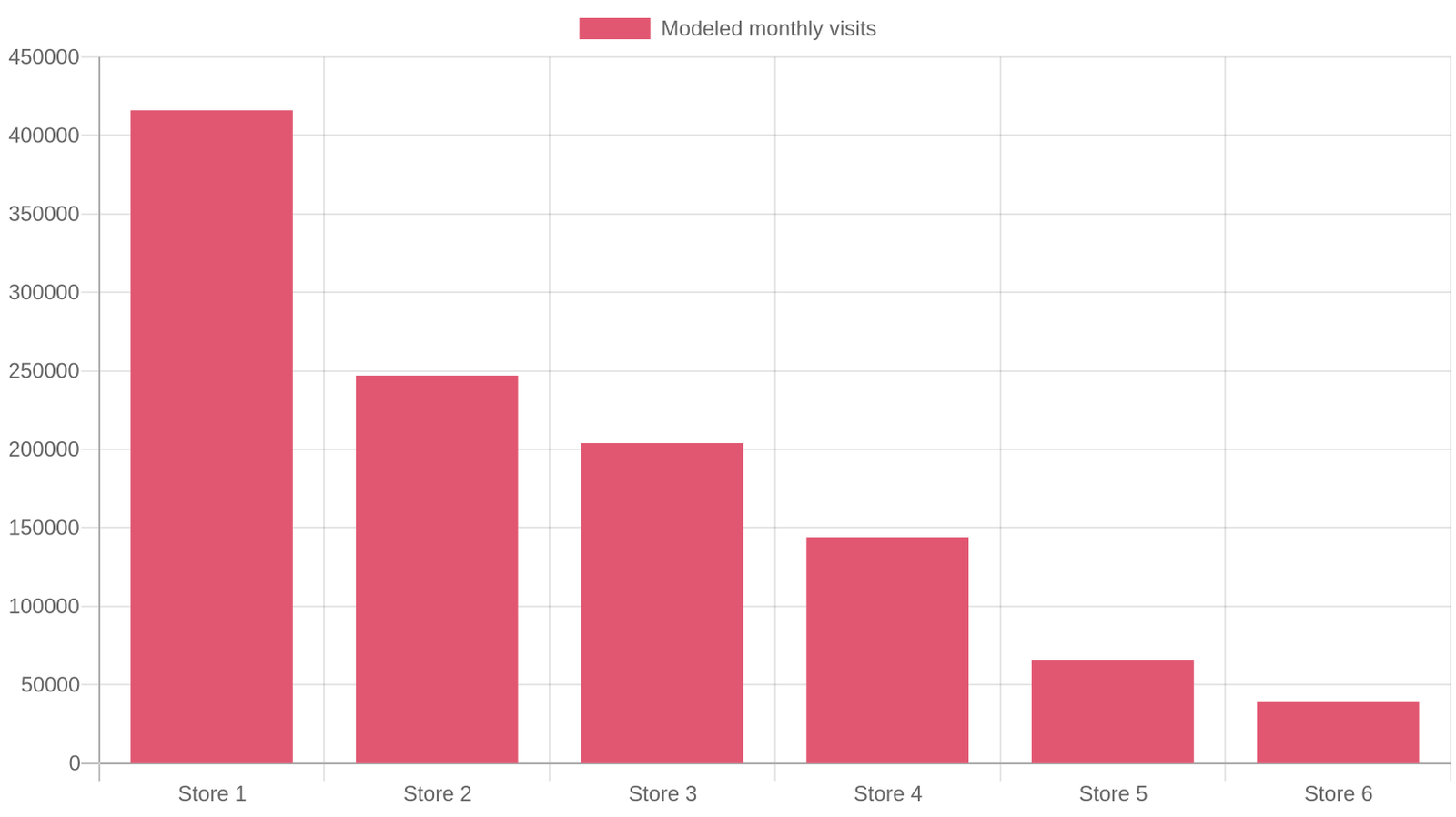
Read this as a floor, not a ceiling, and remember it covers the stores Koala tracks rather than all of Shopify. These are stores that have already proven the category converts at volume. Your job is not to outrank the leader on day one. It is to find one proven product, one proven angle, and one proven app stack, and run your own version to a smaller audience profitably. For the full method across any niche, read our guide to finding winning products.
A Word on Ad Angles
The best jewelry ad angles rarely come from the product spec. They come from the emotion or the problem. A name necklace ad sells the reaction of the person opening the box, not the metal. A waterproof chain ad sells "never turns your skin green," which is a real complaint the buyer already has. When you read a competitor's live ads with Koala Inspector, pay attention to the hook they lead with, not just the product. That hook is what you are really competing on.
If you sell personalized pieces, lean into the gift angle and the occasion: birthdays, anniversaries, new babies, memorials. If you sell minimalist, lean into the aesthetic and the layering stack. If you sell waterproof, lead with durability. One product, three sub-niches, three completely different ads.
Frequently Asked Questions
Is jewelry good for dropshipping? Yes. It is small and cheap to ship, carries wide margins because buyers pay for meaning rather than materials, and sells on emotion, gifting, and repeat purchase. The two catches are margin math (subtract every cost before calling something a winner) and quality control (plated jewelry tarnishes and gets returned), both of which a competitor read and sample orders help you sidestep.
What are the best jewelry products to dropship? The strongest sub-niches are personalized and name jewelry (unique to the buyer, hard to price-shop, a natural gift), minimalist everyday pieces (repeat purchase and great for social ads), spiritual and birthstone jewelry (sells the story), and waterproof stainless steel (answers the tarnish complaint). Validate any specific product against a live, scaling competitor before you test it.
How do I know a jewelry product is actually selling? Open a live jewelry Shopify store and read its best-sellers, installed apps, traffic, and live ads with Koala Inspector. A piece that shows up as a best-seller in a store with real traffic and active ad campaigns is proven demand, not a guess.
How do I avoid quality problems with jewelry? Order samples before you scale and check plating, clasp, weight, and how the piece looks in real light. Favor materials that survive, like stainless steel, PVD coating, and sterling silver, over cheap gold plating. Then reorder samples periodically so a silent supplier change does not tank your reviews.
Start by Reading a Proven Jewelry Store
The shortcut in jewelry is not a secret product. It is a scaling store you can read in your browser. Open a jewelry Shopify store, see its best-sellers, its app stack, its traffic, and its live ads, then build your own version of what already works.
Install Koala Inspector free and start reading jewelry winners today. No credit card, 15 tokens a month, and every store you open turns into a product-research playbook.
Written by
Ana Gelevska
eCommerce Content Writer
Ana Gelevska is a content writer with more than five years of experience creating content for eCommerce brands and global clients. She digs into each topic and the people it is for, then turns it into clear, useful articles that Shopify sellers and dropshippers can act on.
Connect on LinkedIn