7 Reasons Why Dropshipping is Hard in 2026
 By Ana GelevskaMay 23, 2025 · Updated July 23, 2026
Dropshipping sounds straightforward on paper: find a product, list it, collect the margin, and let a supplier handle the rest. In practice, the model is far more demanding. Only 10-20% of dropshipping businesses reach sustained profitability, and the reasons behind that figure are specific and avoidable if you know what to watch for.
The global dropshipping market was valued at $365.67 billion in 2024 and is projected to reach $1.25 trillion by 2030, a CAGR of about 22%. That growth means more sellers chasing the same buyers, not less competition. The business model is genuinely risky, and understanding where the difficulty actually comes from is the first step to doing it better.
Is dropshipping hard? The short answer
Yes, dropshipping is hard, but not in a vague, "you probably can't do this" way. It is hard in three specific, fixable places, and almost everyone who quits quits because of one of them. Is dropshipping difficult to start? No, setup is easy, and Shopify itself walks beginners through the model. It is difficult to make profitable, and that difference is where beginners get blindsided.
Here are the three hard parts that matter most, and the fastest way to shortcut each:
- Finding a winner - most tested products lose money, so the skill is killing losers fast and only scaling proof. Shortcut it by studying what stores in your niche already sell well before you spend a cent testing, using a free tool like Koala Inspector to see their catalog and likely best-sellers.
- Ads that stay profitable - reaching buyers costs money, and ad returns decay as creative fatigues. Shortcut it with a real testing budget, tight tracking of profit per product, and studying the ad creatives and offers competitors are already running instead of guessing.
- Margins that survive a bad week - typical dropshipping margins run thin, so one round of returns or a supplier price bump can erase your profit. Shortcut it by pricing at roughly 3x your landed cost, raising average order value with bundles and upsells, and checking real supplier costs before you commit.
Everything below is a deeper version of those three, plus the supplier, regulatory, expectation, and scaling problems that trip up sellers who clear the first hurdles. Here are seven reasons why dropshipping is hard in 2026, and what you can do about each one.
1. The competition is much more organized than it looks
New sellers often compare themselves to other beginners. The real competition is different: sellers who have been running stores for three to five years, who have negotiated private pricing with their top suppliers, and who spend their testing budget on data rather than guesswork.
Phone accessories, home goods, fitness gear, and pet products are all categories where experienced operators have already carved out their territory. They know their numbers, their suppliers, and their audiences. Entering those spaces with a generic store and a copied product listing rarely works.
The practical edge for new dropshippers is research. Understanding what a competitor's store actually looks like behind the scenes, which products drive their revenue, and how they position their pricing gives you something concrete to respond to. Koala Inspector surfaces those competitor store insights so you can make decisions based on real data rather than guessing. Before you choose a niche, check whether it is already saturated.
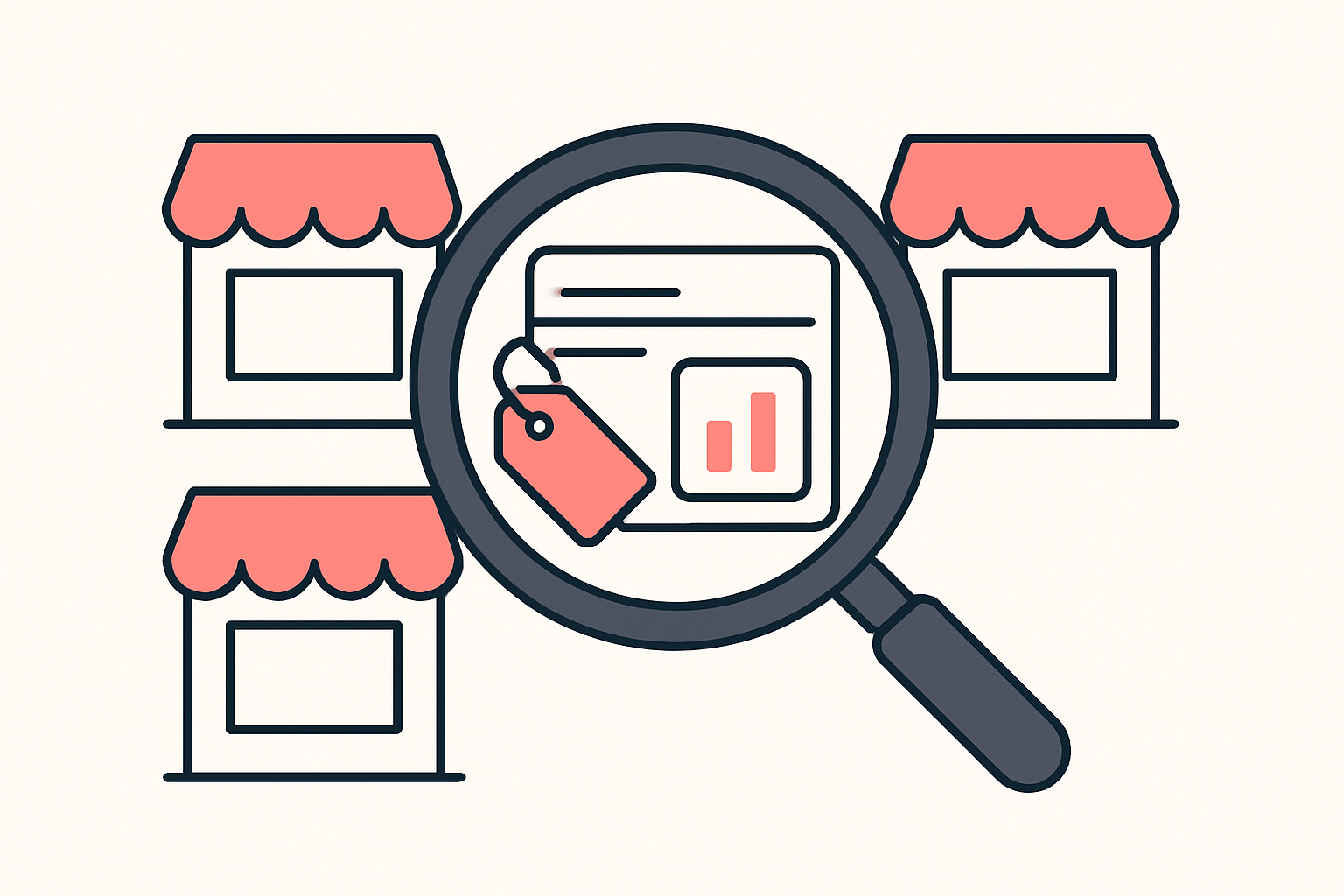
The fastest way to lower the learning curve is not to invent a winning strategy from scratch. It is to study what working stores already do, then respond to it. Koala Inspector reads a Shopify store from the public signals any visitor's browser can already see: the apps it runs, its theme, its full catalog and likely best-sellers, its traffic mix, and the ads it is running. That turns a competitor's storefront into a checklist you can act on.
2. The real costs add up faster than most people budget for
Dropshipping has a low floor to start, but the costs to reach consistent sales are real. A Shopify subscription runs $29/month. A custom domain is around $15/year. Add paid ads, product photography, email tools, and returns, and you are spending meaningfully before you have much revenue to show for it.
Advertising is where the budget pressure hits hardest. Facebook and Google CPMs have risen steadily. Sellers who ran profitable campaigns two years ago now describe their old ad economics as unrecognizable. Without a testing budget that covers at least several hundred dollars before expecting a return, most new dropshippers exhaust their capital before they find a working product-audience combination.
There are also less obvious costs: payment gateway transaction fees (typically 2-3% per sale), chargeback penalties ($15 to $100 per incident), and the margin hit from free shipping offers that seem necessary to compete. Friendly fraud accounts for 61% of all chargeback disputes, and every $100 in fraudulent orders costs merchants an estimated $207 once you factor in fees and overhead (Spocket research). If your pricing does not account for these, what looks like a profitable margin often isn't.
3. Finding a reliable supplier is harder than the tutorials suggest
Every dropshipping guide tells you to find a "reliable supplier." The guides are less specific about how you actually vet one before committing.
Supplier problems are not rare edge cases. They show up as inconsistent product quality batch to batch, stockouts during your busiest periods, slow fulfillment that stretches what you promised customers, and packaging that arrives with a supplier's branding plastered on it rather than yours. For sellers sourcing from overseas, a 38-day average delivery time is not unusual without a carefully chosen supplier network, and a single run of defective products going semi-viral on social media can undo months of reputation-building.
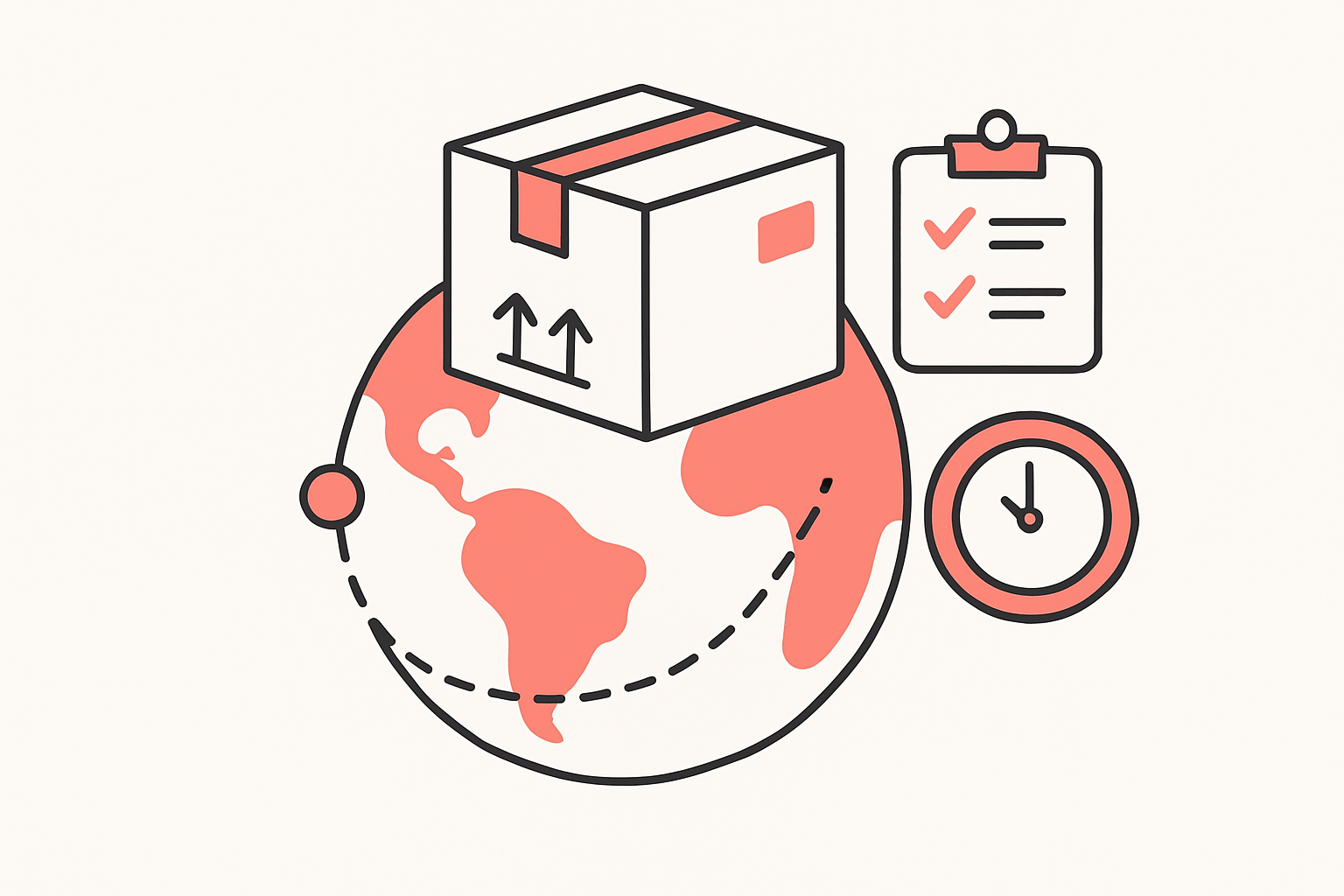
Vetting takes time and real testing. Order samples. Test the returns process. Ask the supplier to describe their quality control procedure and look for specifics, not generalities. In 2026, customer expectations around delivery times have only risen, which makes supplier reliability more load-bearing than it was three years ago.
4. Profit margins are thin and getting thinner
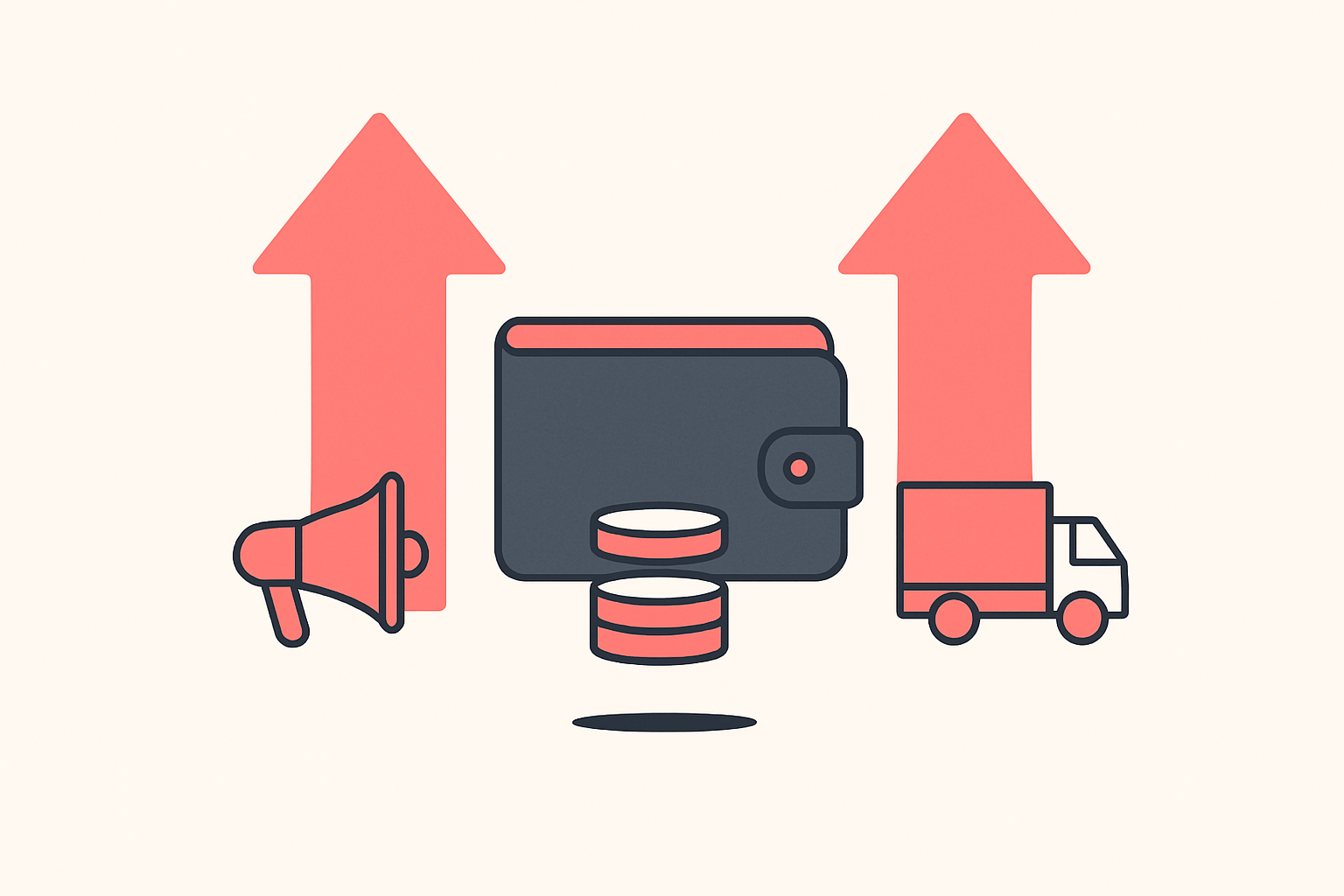
The typical dropshipping margin runs between 10% and 25%, depending on the niche, supplier pricing, and how competitive the product category is. That compares unfavorably to wholesale (which can run 40-50%) and private label, where you control the product entirely.
High-ticket dropshipping offers higher per-order profit but also longer sales cycles, higher return rates, and customers who are more likely to do price comparisons before buying. It is not an automatic fix for the margin problem.
What actually compresses margins: rising ad costs, payment processing fees, occasional supplier price increases, and the shipping upgrades necessary to compete with customer expectations. Sellers who protect their margins focus on upsells and bundles to raise average order value rather than trying to win on price alone. Fashion remains one of the highest-volume categories, accounting for over 34% of all dropshipping sales, but it also has intense competition and high return rates that eat margins quickly.
5. The regulatory environment is more complex than most sellers expect
Tax, import, and product safety regulations differ by country, and the gaps between what a dropshipper knows and what the law requires are where serious problems develop.
In Europe, the EU is eliminating its €150 duty-free exemption as of July 1, 2026, replacing it with a flat €3 customs duty per HS code for packages valued at €150 or less. For sellers shipping into the EU, that changes the math on low-ticket products. Packages over €150 face standard import duties, and VAT rates across EU countries range from 17% to 27%. Customers who get hit with unexpected customs bills often refuse delivery entirely.
The regulatory risk also includes product compliance. France's consumer protection agency (DGCCRF) investigated 215 dropshipping websites in 2022 and found problems on 116 of them, more than half. The issues ranged from misleading discount claims to inadequate return policies. Sellers who ignore these requirements are not just risking fines; they are one complaint away from having their store shut down in that market.
6. Customer expectations were set by Amazon, not by other dropshippers
Amazon has trained buyers to expect two-day shipping as a baseline, with free returns and proactive communication if anything goes wrong. Dropshipping stores often cannot match that operationally, especially when working with suppliers who ship from overseas.
The result is a customer who chose your store but holds it to a standard you may not be able to meet. Delays, ambiguous tracking updates, and slow responses to support inquiries result in negative reviews that compound quickly. Dropshipping stores with an active social media presence tend to do better than those without one, partly because consistent communication builds the trust that compensates for the structural limitations of the model.
Building customer trust in dropshipping in 2026 means being very specific about delivery windows, communicating proactively when shipments are delayed, and making the return process straightforward even when it costs you. Pretending to offer Amazon-style logistics when you cannot is what generates the reviews that kill stores.
7. Scaling is not just doing more of what worked
The version of a dropshipping business that works at $2,000/month rarely scales directly to $15,000/month by pressing repeat on the same inputs. The difficulty compounds because what changes at scale is not just volume, it is the whole operating model.
Managing three suppliers is manageable. Managing fifteen, across different lead times and quality levels, while running customer support at five times the ticket volume, requires systems that beginners do not build until they need them. Ad costs rise because you exhaust your best-performing audiences before you find the next tier. Supplier capacity constraints appear when you become a meaningfully sized customer rather than a small one.
Scaling also requires building something defensible: a brand that customers remember, an email list, and repeat purchase rates that reduce reliance on paid traffic for every sale. These take time to build and are consistently underinvested by dropshippers who are focused entirely on finding the next winning product.
Is Dropshipping Hard? FAQ
Straight answers to the questions beginners ask most before starting a dropshipping store.
Can I make $10,000 per month dropshipping?+
It is possible but not typical, and it takes time. Most beginners see $0 to $1,000 a month in their first few months, intermediate sellers reach $500 to $5,000, and hitting $10,000 usually means 6 to 12 months of consistent work with high order volume, a healthy average order value, and margins in the 30 to 40% range. The hard parts in this guide are exactly what stall that climb, so shortcutting product research, ad testing, and margins early is what shortens the path.
Can you start dropshipping with no money?+
Almost, but not truly for free. You can research products, study competitor stores with a free tool like Koala Inspector, and set up a store on a free trial without spending on inventory. What you cannot skip is an ad testing budget: reaching real buyers costs money, and starting with too little cash is one of the most common ways beginners fail, because a single bad week of ads can wipe out your runway before a product proves itself.
CJdropshipping vs DSers: which one is better for you?+
DSers is the better fit if you source from AliExpress and want fast, bulk order processing straight into Shopify. CJdropshipping fits better when you want sourcing, warehousing, and print-on-demand under one roof, often with US or EU warehouse options for faster delivery. Neither removes supplier risk on its own, so order samples and check real shipping times before you scale on either.
Does dropshipping still work?+
Yes. Dropshipping is still an active, legal model in 2026 and the global market keeps growing. What has changed is the bar to win: sharper product research, faster shipping, honest unit economics, and a store that reads as a real brand instead of a generic template. Stores that fail usually hit one of the hard parts in this guide, not a broken model.
Does dropshipping work?+
It works when the fundamentals are right: a reliable supplier, a product with enough margin to survive a bad ad week, a niche that has demand without brutal saturation, and clear shipping expectations. Only an estimated 10 to 20% of stores succeed, and the gap is almost always research and execution rather than the model itself.
Does Shopify automatically fulfill orders for dropshipping?+
Not on its own. Shopify handles the storefront, checkout, and order records, but fulfillment happens through a supplier app you connect, such as DSers, Spocket, CJdropshipping, or AutoDS. Those apps can route orders to your supplier automatically, though you still confirm and monitor them. Shopify does not stock or ship products for you.
What this means for getting started in 2026
Dropshipping is not a passive income model, and treating it as one is the fastest route to the 80-90% of stores that do not reach profitability. The sellers who do make it work share a few specific habits: they research the competitive landscape before picking a niche, they vet suppliers with actual test orders, they build in realistic cost assumptions, and they treat the first year as product and market research rather than expecting to be profitable immediately.
The data advantage matters more than it used to. Knowing what a competitor is actually selling well, at what price point, through which traffic channels, is the kind of signal that turns months of guesswork into weeks of focused testing. That is exactly what Koala Inspector was built for. Try it free and go into your next dropshipping decision with real competitive data behind it.
Written by
Ana Gelevska
eCommerce Content Writer
Ana Gelevska is a content writer with more than five years of experience creating content for eCommerce brands and global clients. She digs into each topic and the people it is for, then turns it into clear, useful articles that Shopify sellers and dropshippers can act on.
Connect on LinkedIn