How to Find Winning Facebook Ad Creatives by Spying on Competitors' Shopify Stores
 By Assaf ShalinJune 10, 2026 · Updated June 11, 2026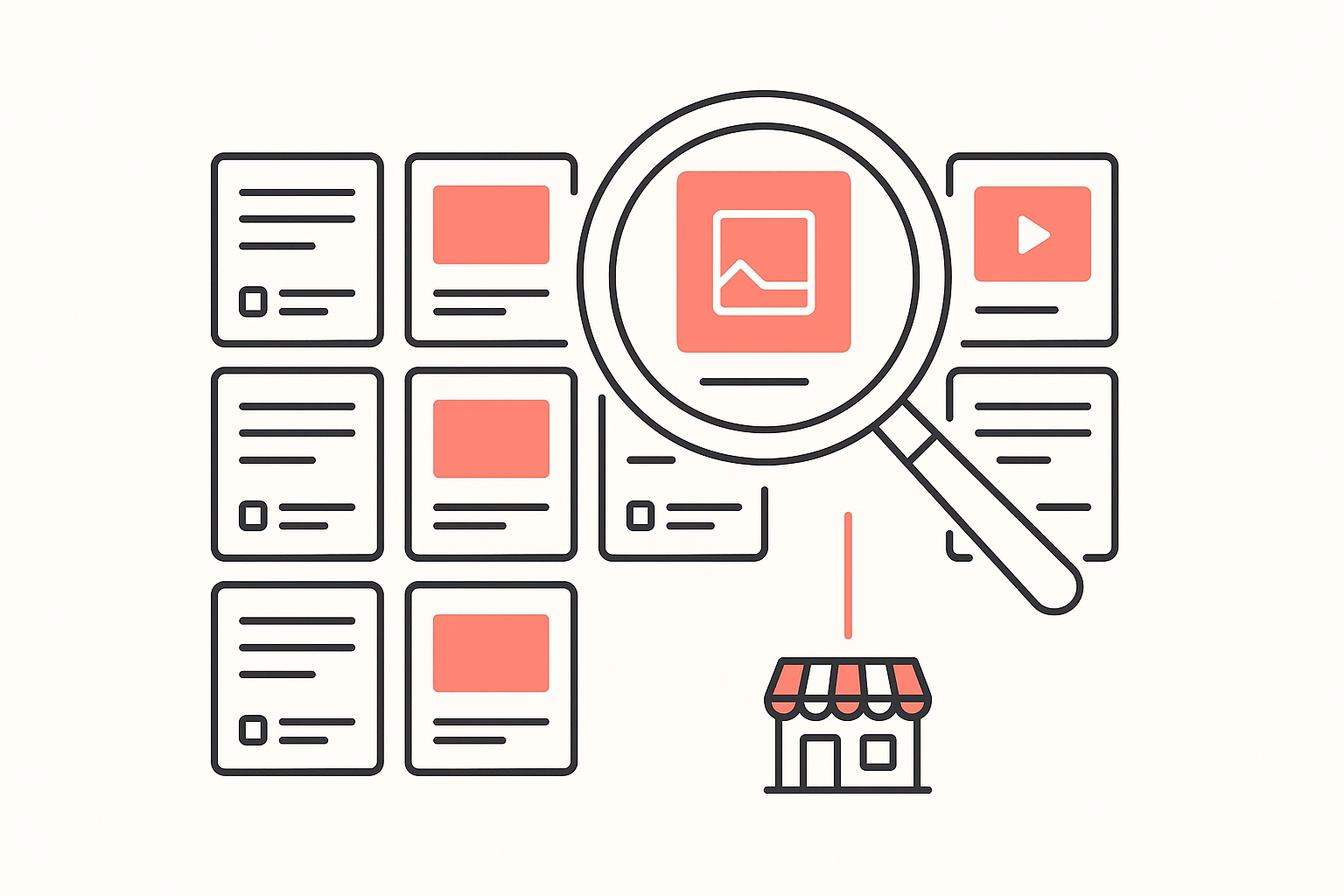
The short answer
To find winning Facebook ad creatives, study the competitors who are already paying to test them. Open the Meta Ad Library, search a rival Shopify brand, and look for ads that have been running for several weeks, because those are the ones making money. Then open that competitor's store and run Koala Inspector to see the ads tied to the store next to its products, apps, and theme, so you reverse-engineer the whole funnel behind the ad instead of copying the image alone.
The rest of this guide walks through why creative is the lever that matters, how static and video creatives behave for cold audiences, what creative fatigue looks like when you scale, and the exact step-by-step workflow.
Why the creative is the lever, not the targeting
Most new dropshippers spend their first months tinkering with audiences, budgets, and bid strategies. The advertisers actually making money will tell you the creative does the heavy lifting.
One seller in r/dropshipping broke down a day that did $6,184 in revenue and called the setup "embarrassingly simple." The takeaway was not a clever targeting trick. It was knowing which creatives to run and which metrics to watch, and then letting Meta's algorithm find the buyers. When the structure of an account is plain, the creative is what separates a winning day from a dead one.
That is good news for anyone researching competitors. The creative is the part you can actually see. You cannot read a rival's audience settings or their bid caps, but you can watch every ad they choose to keep running. The Meta Ad Library hands you their tested creative library for free.
Static versus video for cold audiences
Cold audiences are people who have never heard of your brand. They are the hardest to convert and the most expensive to reach, so the creative has to do more work.
A seller who went from struggling to $11,158 in 17 days found that static image ads kept underperforming with cold traffic, and the account only moved once the creative approach changed. That matches what you see in the Ad Library: the brands scaling hardest tend to lean on short video that shows the product in use, builds a quick problem-and-solution story, and earns the first three seconds of attention before asking for a click.
This does not mean static never works. Static can win for retargeting, for offer-led ads, and in niches where a single strong image carries the message. But when you are studying a competitor's cold-audience ads, pay attention to whether the long-running winners are video or static. That tells you what format the market is rewarding for that product right now.

Creative fatigue and the learning phase when you scale
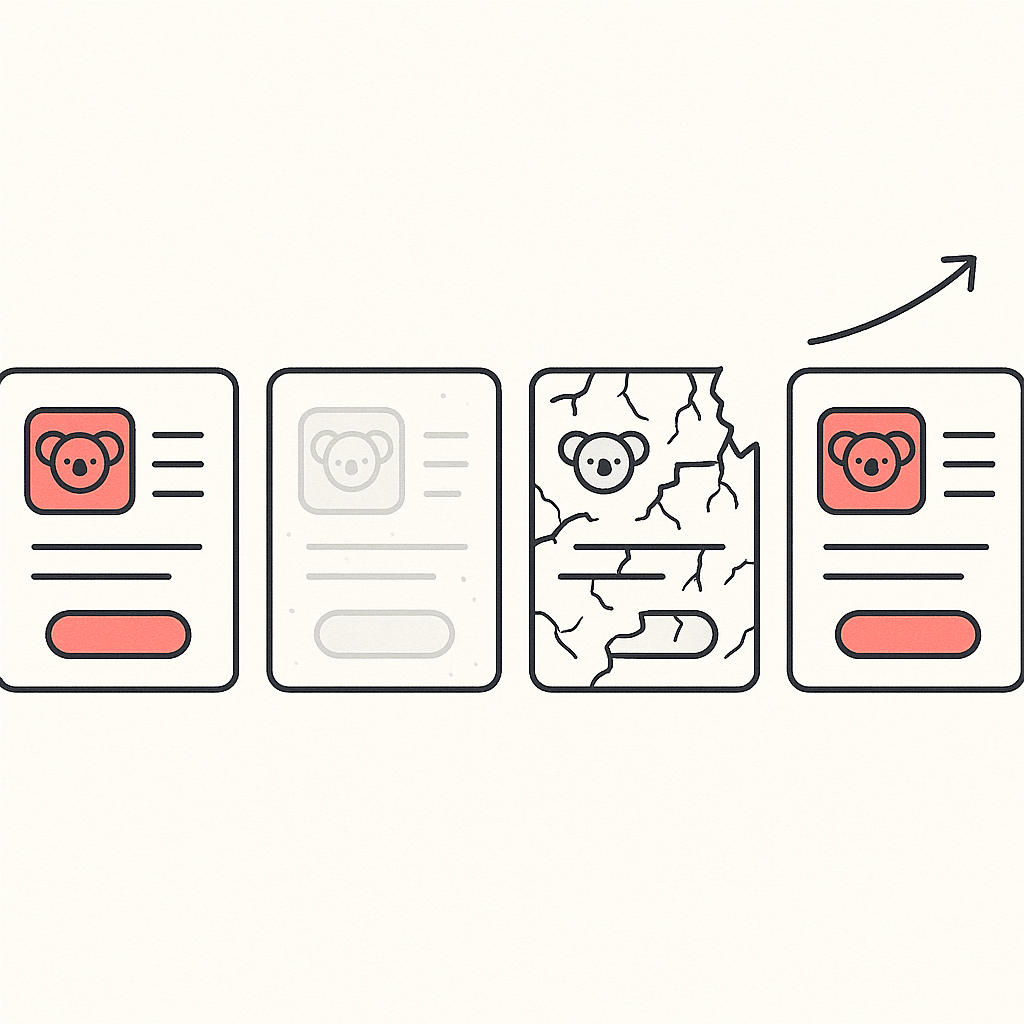
A creative that wins today will not win forever. As more people in your target audience see the same ad, response drops. That is creative fatigue, and it is the reason competitor research is never a one-time job.
A seller who tested more than 5,000 ads in a single year ran straight into this: the hooks that make money keep changing, so scaling is less about one perfect creative than about feeding the account a steady supply of fresh ones. It compounds with the learning phase, the window where Meta is still figuring out who to show an ad to, so every new creative starts out noisy and you cannot judge it fairly yet.
For your research, the practical lesson is to track competitors over time, not once. When you see a rival swap in fresh variations of a winning concept, that is them fighting fatigue, and it is a signal the underlying angle is still working. When their long-running ad suddenly disappears, the creative likely fatigued or the product stopped converting. Both events tell you something.
The step-by-step workflow
Here is the full process, from finding a competitor to reverse-engineering their funnel.
1. Find the competitor store
Start with the stores selling the product or angle you want to validate. You can find them through a Google search for the product, by clicking through Facebook and Instagram ads in your feed, or from a niche you already track. You want a store that is clearly spending money, because those are the ones with tested creatives worth studying.
2. Open the Meta Ad Library
Go to the Meta Ad Library, set the category to All ads, choose the country you sell in, and search the brand name or the Facebook Page. You will see every active ad the store runs across Facebook and Instagram. Sort the mental list by how long each ad has been running. The oldest active ads are the proven winners, because losing creatives get turned off fast. Note the format, the hook, the offer, and how many variations of the same idea are live at once.
3. Use Koala Inspector to see the store behind the ad
The Ad Library shows you the creative, but a creative only converts because of what sits behind it: the product, the price, the upsells, the trust signals, and the page speed. To see that, open the competitor's Shopify store and run Koala Inspector.
In one click the extension shows the ads tied to that store next to its best-selling products, the apps it has installed, and the theme it runs. Now you can connect the dots. You see the ad in the Ad Library, the exact product it points to, the price the store charges, the upsell or bundle apps it uses to lift average order value, and the theme that frames the offer. That is the full funnel, not just the thumbnail.
4. Reverse-engineer the funnel, then build your own
With the creative and the store data side by side, you can answer the real questions. Why does this ad convert? Is it the video hook, the price point, a free-shipping threshold, a post-purchase upsell app, or a fast theme that loads before the visitor leaves? Pull the parts that fit your product, then build a creative and a landing page that improve on what the competitor already proved works. You are not copying an image. You are learning the whole system that turns a click into a sale.
Track competitors, do not just check them once
Because creatives fatigue and offers change, the dropshippers who keep winning treat this as an ongoing habit. Check the Ad Library on your top competitors every week or two. Watch which ads survive, which products they push next, and which apps they add. Koala Inspector can track shops on the Premium plan, so you get a running picture of how a competitor's store and ads evolve instead of a single snapshot.
The advertisers spending real money are running your experiments for you and paying for the failures. Your job is to read the results, understand the funnel behind the winning ad, and move faster than they do.
Ready to see the store behind any Facebook ad? Try the Koala Inspector app and store detector on your next competitor.
Written by
Assaf Shalin
Co-founder & Developer, Koala Apps
Assaf Shalin is a co-founder of Koala Apps and one of the developers behind Koala Inspector. He builds the tools that let Shopify sellers see what is actually working in other stores, from installed apps and themes to best-selling products. On the blog he covers the technical side of store research: how competitor research really works, what public store signals can and cannot tell you, and how to turn them into decisions.
Connect on LinkedIn